Contrast
Size
news

Archaeological works commence at the site of the Brühl Palace

As preparatory work has been completed, an important moment has come - not only for the reconstruction process as such, but also for historians and local history enthusiasts. The Pałac Saski company is starting the first stage of archeological works to be performed on the site of the former Brühl Palace. Excavations will be carried out at this specific location for the very first time since its was cleared of rubble after World War II. Although it is difficult to predict what treasures are hidden in the area which used to belong to the Ministry of Foreign Affairs, the earlier archaeological works completed at the site of the Saski Palace show that there will be hundreds of years old historical artifacts.

Sappers in action
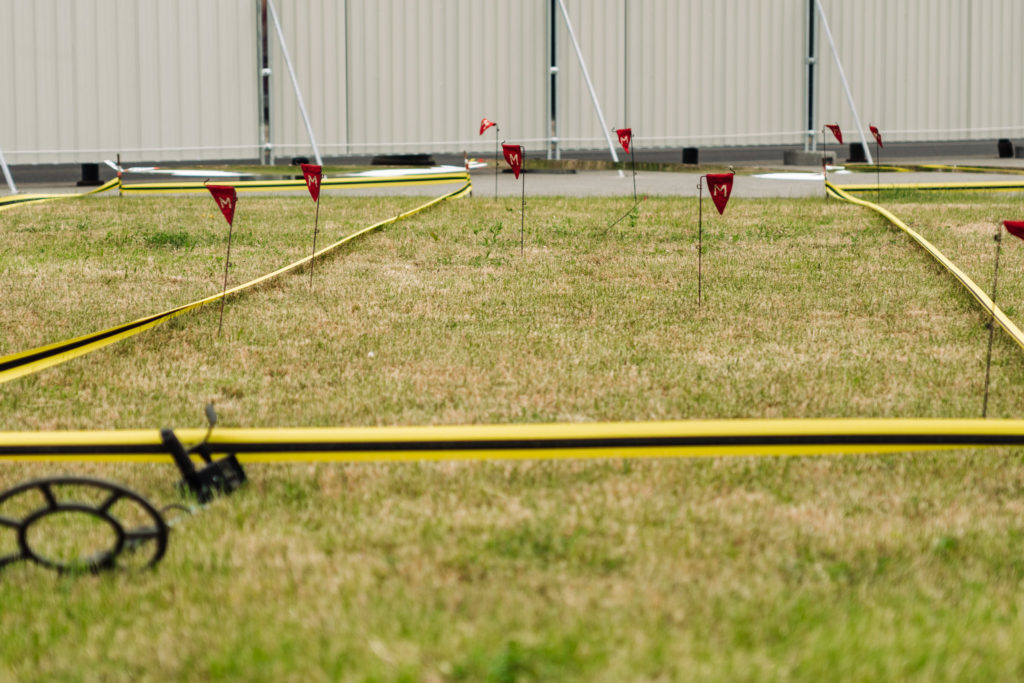
A lawn with rectangular sections outlined with pieces of tape. Small flags stuck in a couple of places signal that a sapper has detected a piece of metal below the lawn.
An area on the site of the Brühl Palace to be screened by sappers, 2023. Photo by T. Tołłoczko

Those visiting Marshal Józef Piłsudski Square on a regular basis have already noticed the first signs of the new activities. A fence has been erected on its northwestern outskirts which expands the work area. Next, sappers will survey the land, making sure that no remnants of wartime ordnance or bombs are left in the ground, as these would pose a potential danger to the public. In 2008, such relics as an anti-tank mine and an artillery shell were found on the site of the former Saski Palace. Once the sappers finish their work, geophysical surveys will begin and perimeters of the first excavation pits will be set.
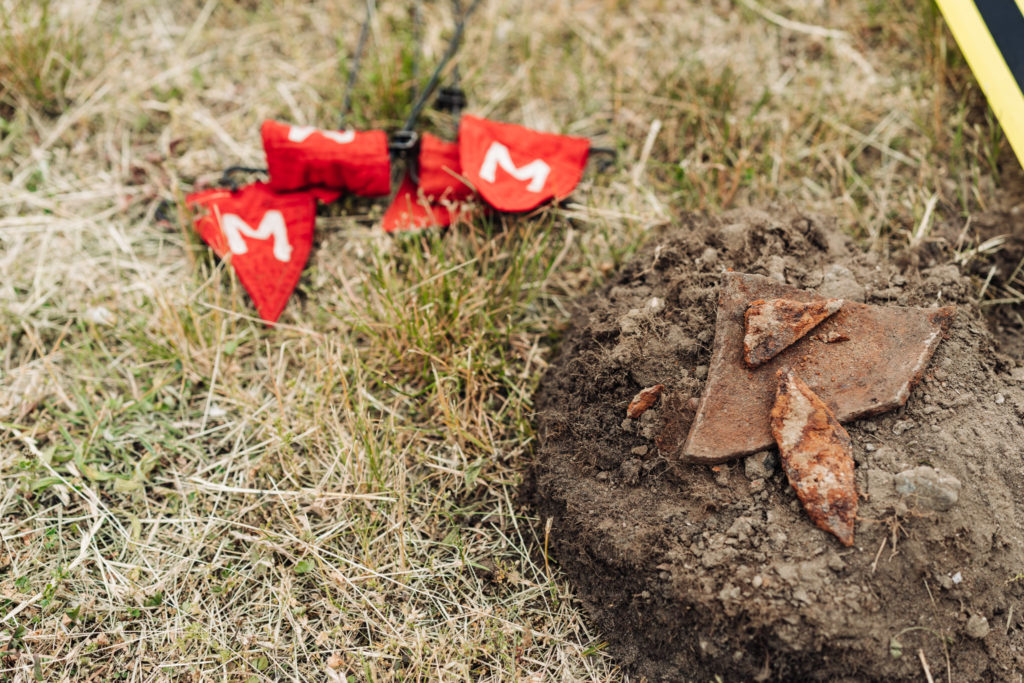
A detail of the first metal fragments dug up during the sapper survey which proceeds the archaeological works at the Brühl Palace area. Next to the couple of metal shards on a newly turned soil, there is a couple of small flags lying on the grass. The flags are used to mark locations of found objects.
Preparing for archaeological works the Brühl Palace site, 2023. Photo by T. Tołłoczko

Excavations on the site of the Saski Palace

The area at Piłsudski Square where the Saski Palace and the adjacent townhouses at 6 and 8 Królewska Street originally stood was already thoroughly examined in 2006-2008. Thousands of artifacts were found during these archeological works. Painstakingly cleaned, marked and catalogued, they were then sent to the Warsaw Museum and the Warsaw Uprising Museum. Some of them could also be seen in the detailed photos of the temporary exhibition that adorned the fence surrounding the area.

Archaeological works at the Brühl Palace

Unlike the Saski Palace, the area formerly occupied by the Brühl Palace - except for a small fragment of its outbuildings - has never been surveyed. Unprecedented archaeological works in the historically rich, contemporary center of the capital city may bring a number of surprises. The excavations will take approximately six months to complete. The experts will explore the successive layers related to the past of the Brühl Palace, going back all the way to its very beginnings - the palace of Speaker of the Parlament Jerzy Ossoliński. Archaeologists will also have an opportunity to look into the earlier history of the site. Sigismund-era ramparts with a moat were once located here, the remains of which may prove to be a treasure trove of historical knowledge. However, before reaching the remnants of era of the reign of Sigismund III Vasa, they will explore the younger layers related to the interwar history of the palace, which then housed the elegant headquarters of the Ministry of Foreign Affairs.
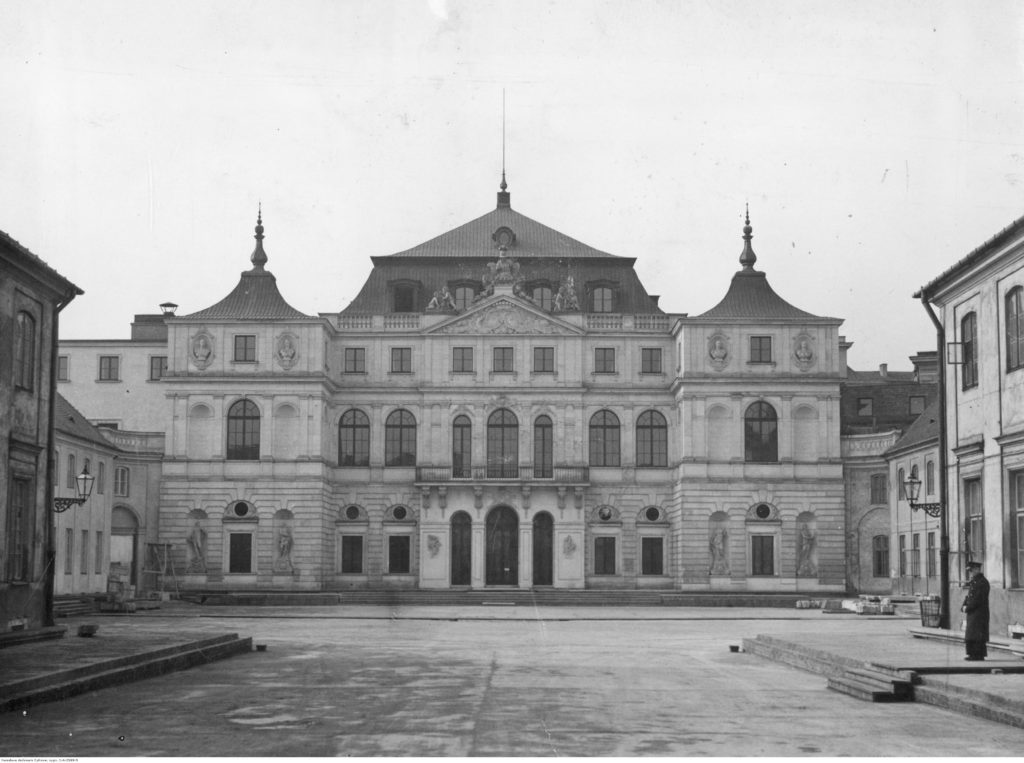
An archival photo of the facade of the Bruhl Palace. It is a highly ornamental building with two floors and a mansard roof above its corpus. There is a courtyard in front of it, surrounded on two sides by the outhouses of the palace.
Facade of the Ministry of Foreign Affairs, March 1936. Koncern Ilustrowany Kurier Codzienny - Archiwum Ilustracji, National Digital Archive

news

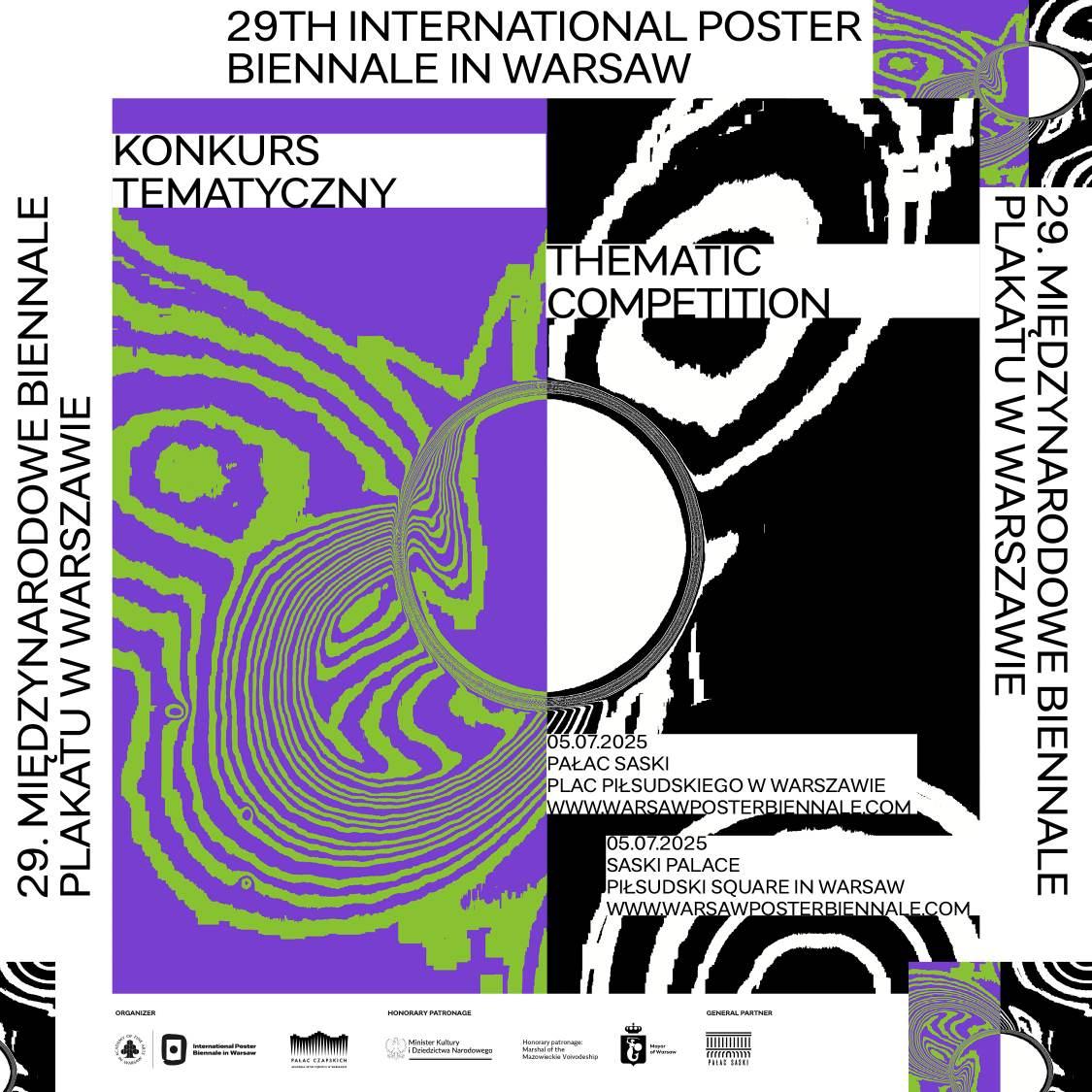
29th International Poster Biennale – Exhibition on Piłsudski Square

For the second time, the fencing around the reconstruction site for the Saxon and Brühl Palaces, as well as the tenement houses on Królewska Street, will serve as an outdoor poster gallery. The open‑air exhibition ‘Quo Vadis’, featuring selected works by artists taking part in the 29th International Poster Biennale in Warsaw, will be on […]

298th anniversary of the Saxon Garden

The last day of May saw the largest Saxon Garden Festival to date. Nearly 80,000 Warsaw residents and visitors took part in the fourth edition of the all‑day retro event, whose 2025 programme was expanded with contributions from new partners. As a result, alongside musicians, interwar‑period re‑enactors, enthusiasts of penny‑farthings and automobiles, and virtual‑reality specialists, […]

Historic fragment of the Royal Castle discovered at the Brühl Palace site

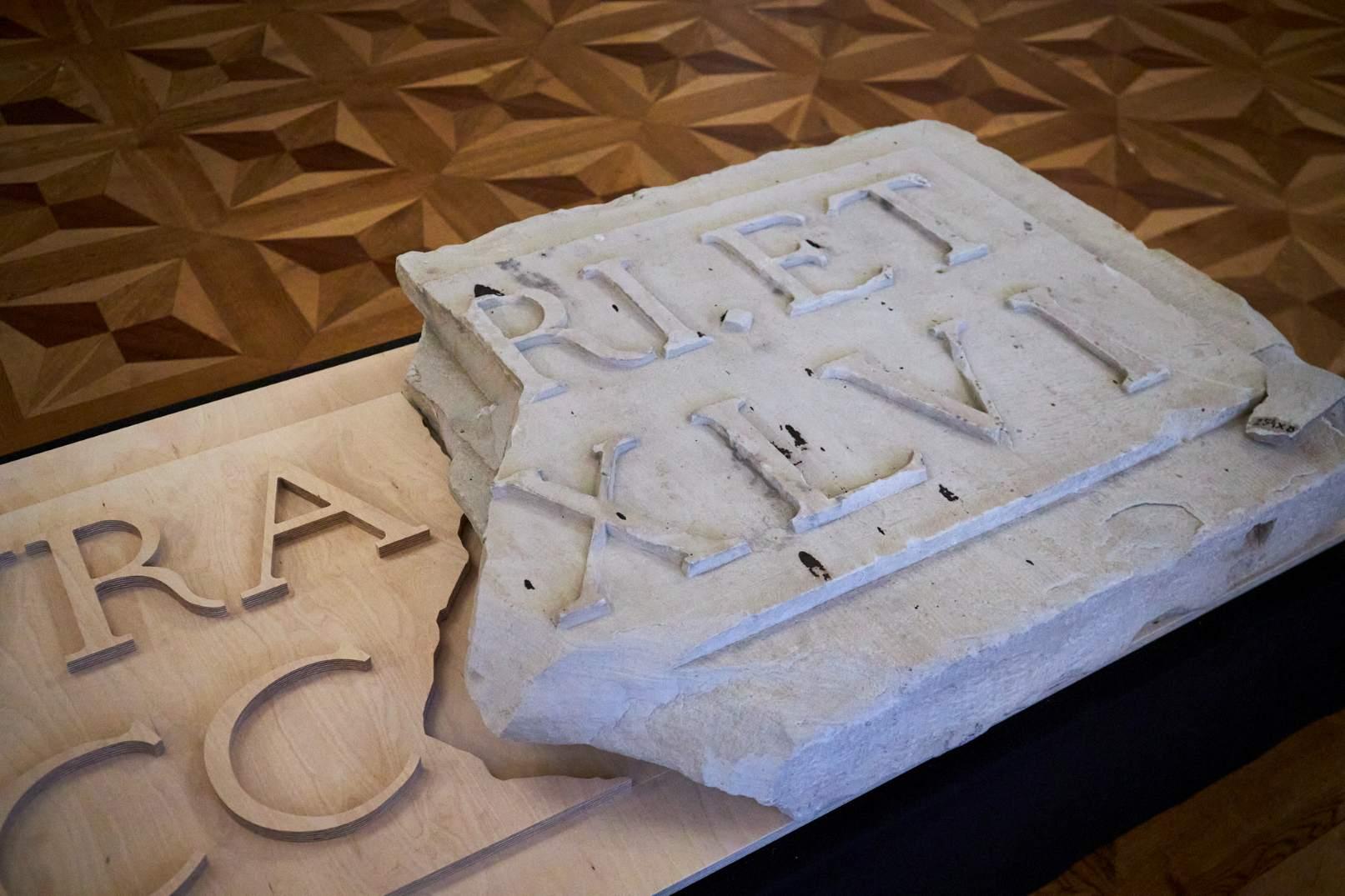
On 31 March 2025, at the initiative of the Pałac Saski company, a fragment of a stone plaque that once adorned the Royal Castle’s eastern façade was formally presented to the Royal Castle at a ceremony in the Knights’ Hall. The inscribed sandstone slab, discovered during the first season of archaeological excavations conducted by the […]

Reconstruction of the Saski Palace: 2024 summary

The latest stages of preparatory works for the reconstruction of the Saski and Brühl Palace complex, as well as the three tenement houses on Królewska Street in Warsaw, are nearing completion. In 2024, works carried out on the site at Marshal J. Piłsudski Square focused primarily on safeguarding the historic fabric represented by the remains […]
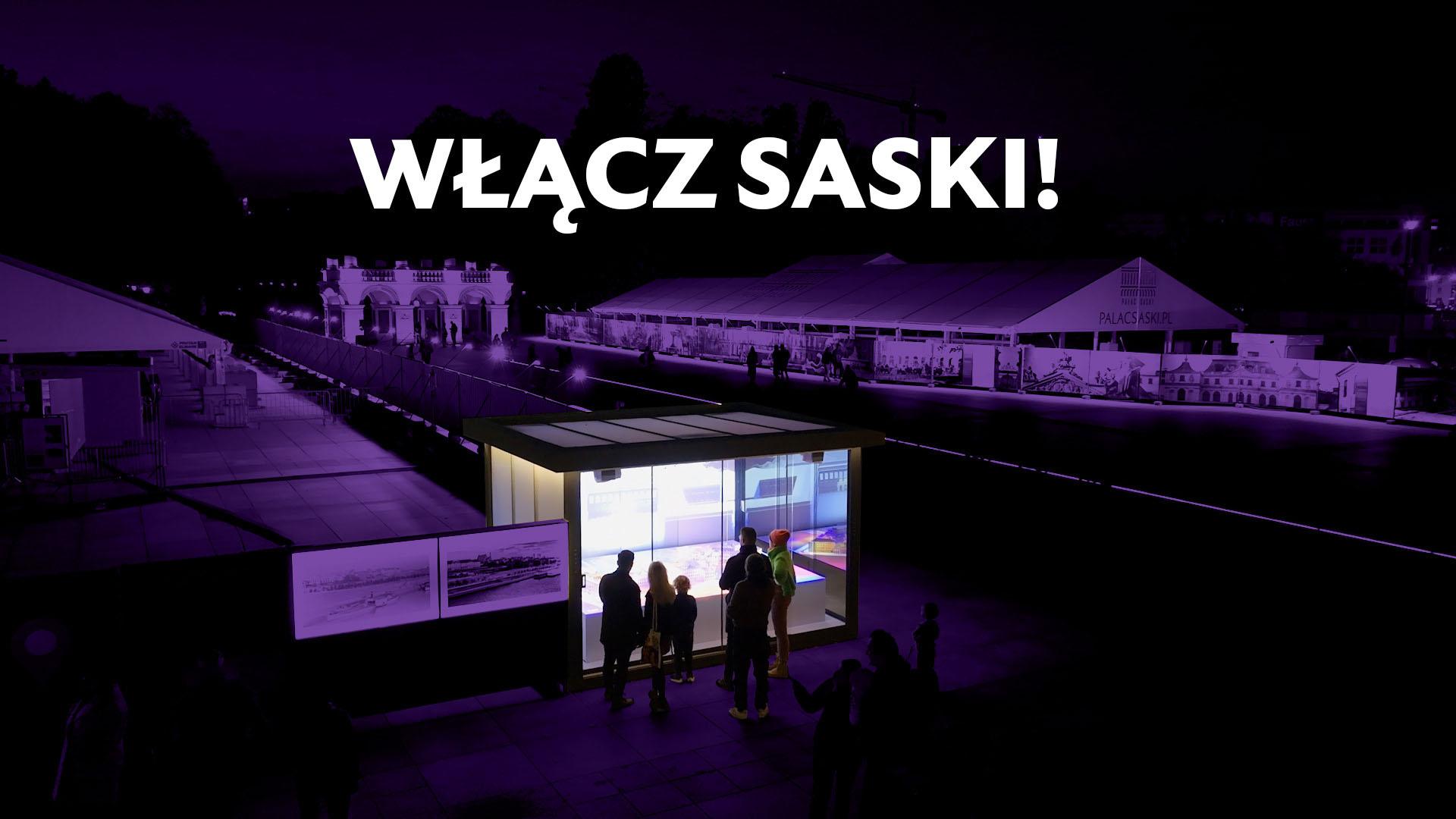
Na obrazku widoczny jest plac Piłsudskiego w kolorze fioletowym. Na środku obrazka widoczny jest przeszklony pawilon w kolorze. Wokół pawilonu, w którym widać multimedialną prezentację, stoi grupa widzów.

Switch on the Saski Palace! A multimedia show in Piłsudski Square

A 3D model of the reconstructed Saski (also Saxon) and Brühl Palaces, along with the townhouses on Królewska Street, which has been attracting the attention of passersby in Piłsudski Square, Warsaw, since May 2024, has been given a new splash of colour. Now, inside the glass pavilion, visitors to the city centre can watch a […]
Na ciemnym

3D scanning of façade elements of the Saski and Brühl Palaces

Three-dimensional scanning of preserved elements from the former façades of the Saski Palace (also Saxon Palace), the Brühl Palace and the Beck Pavilion is one way the latest technology is being utilised in the reconstruction of the western frontage of Piłsudski Square in Warsaw. The process captures the geometry of façade elements from historic buildings […]

A short report from the Saxon Garden Festival

The Saxon Garden Festival is a unique outdoor event in Poland’s oldest public park. On 25 May 2024, the garden alleys and the neighbouring Piłsudski Square hosted tens of thousands of people for the third time, who for one day had the opportunity to travel back in time to the inter-war period. Parades of vintage […]

Geodetic monitoring of the Tomb of the Unknown Soldier

Not all of the reconstruction works on the western frontage of Piłsudski Square are as spectacular as the construction of a roofing over the relics of the Saski Palace listed in the register of monuments. Such activities, which are necessary during the preparation of the investment, although not noticeable to most outsiders, include geodetic monitoring […]