Forum of Good Reconstruction Practices. The Saski Palace and the challenges of modernity
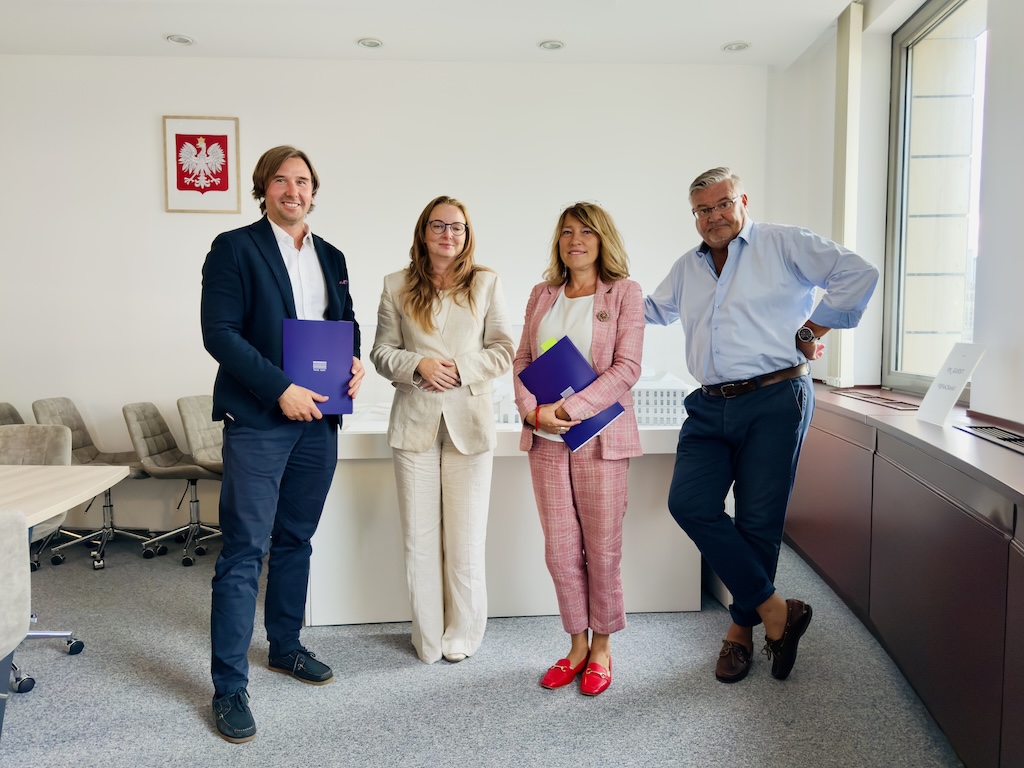
What challenges arise when reconstructing historic buildings with the latest technologies? This was just one of the topics discussed during the ‘Forum of Good Reconstruction Practices’, held in March 2025. This expert symposium forms part of the ongoing preparatory works for the reconstruction of the Saski and Brühl Palace complex, alongside the tenement houses on Królewska Street in Warsaw.
From cellar remains to a reconstructed frontage
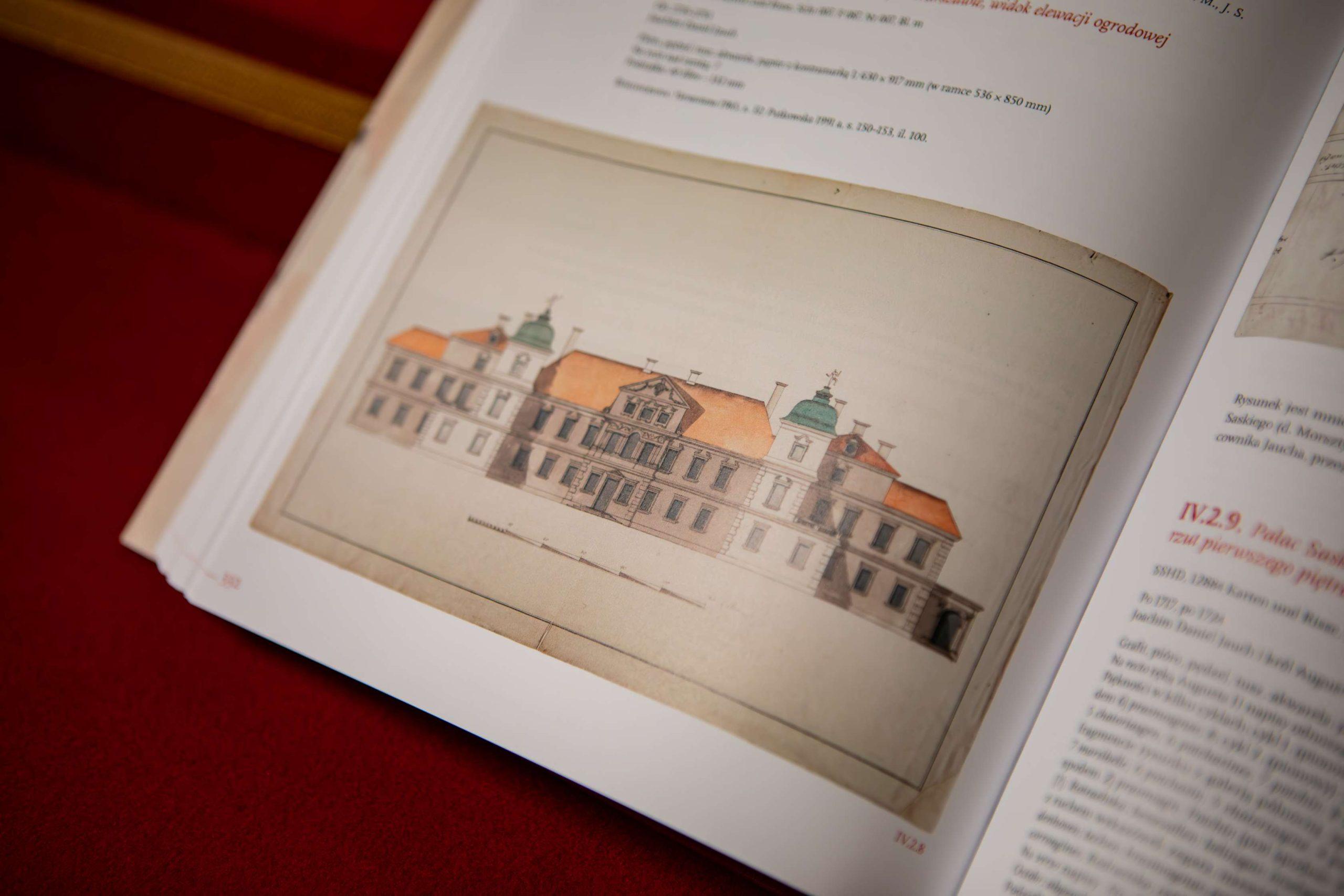
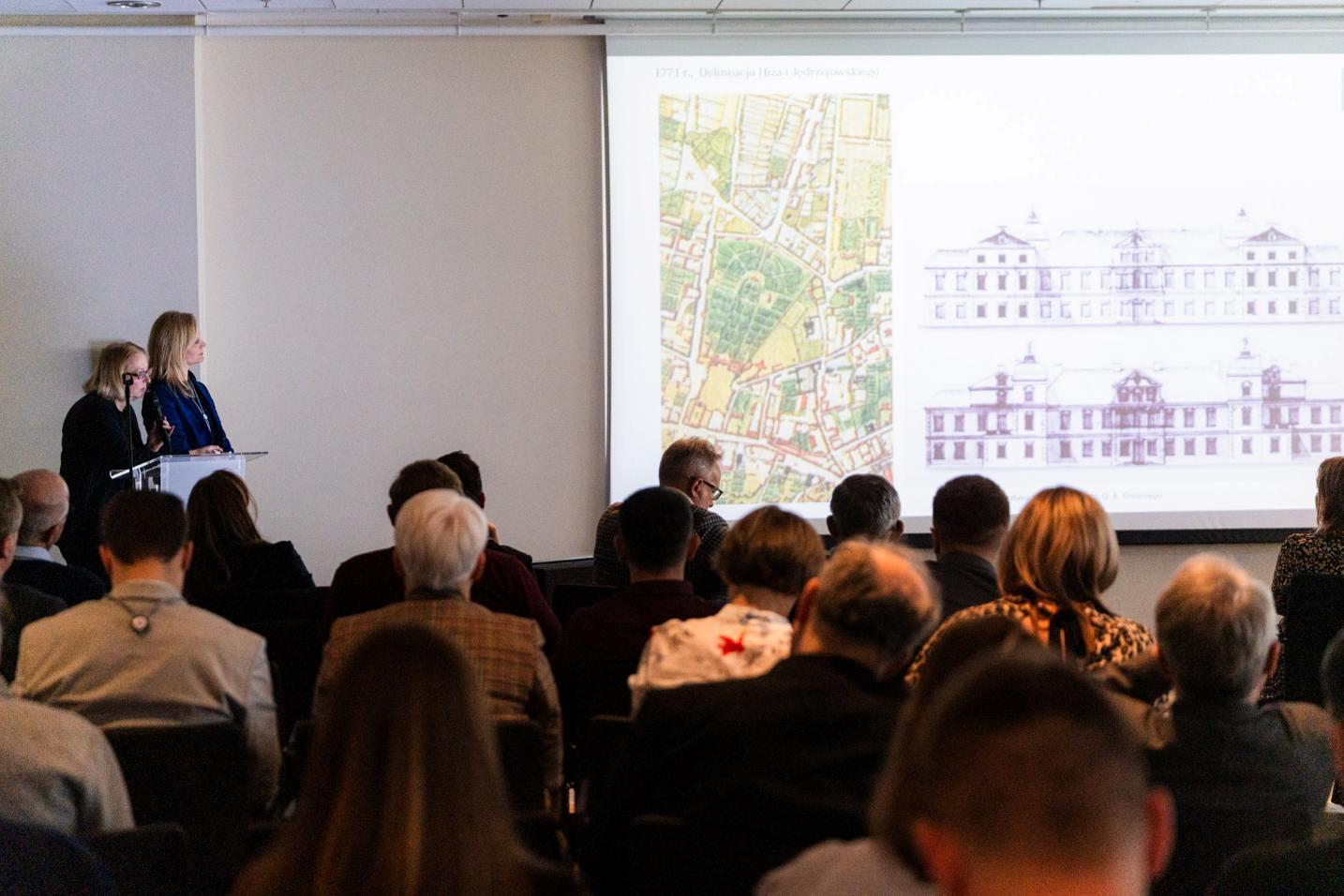
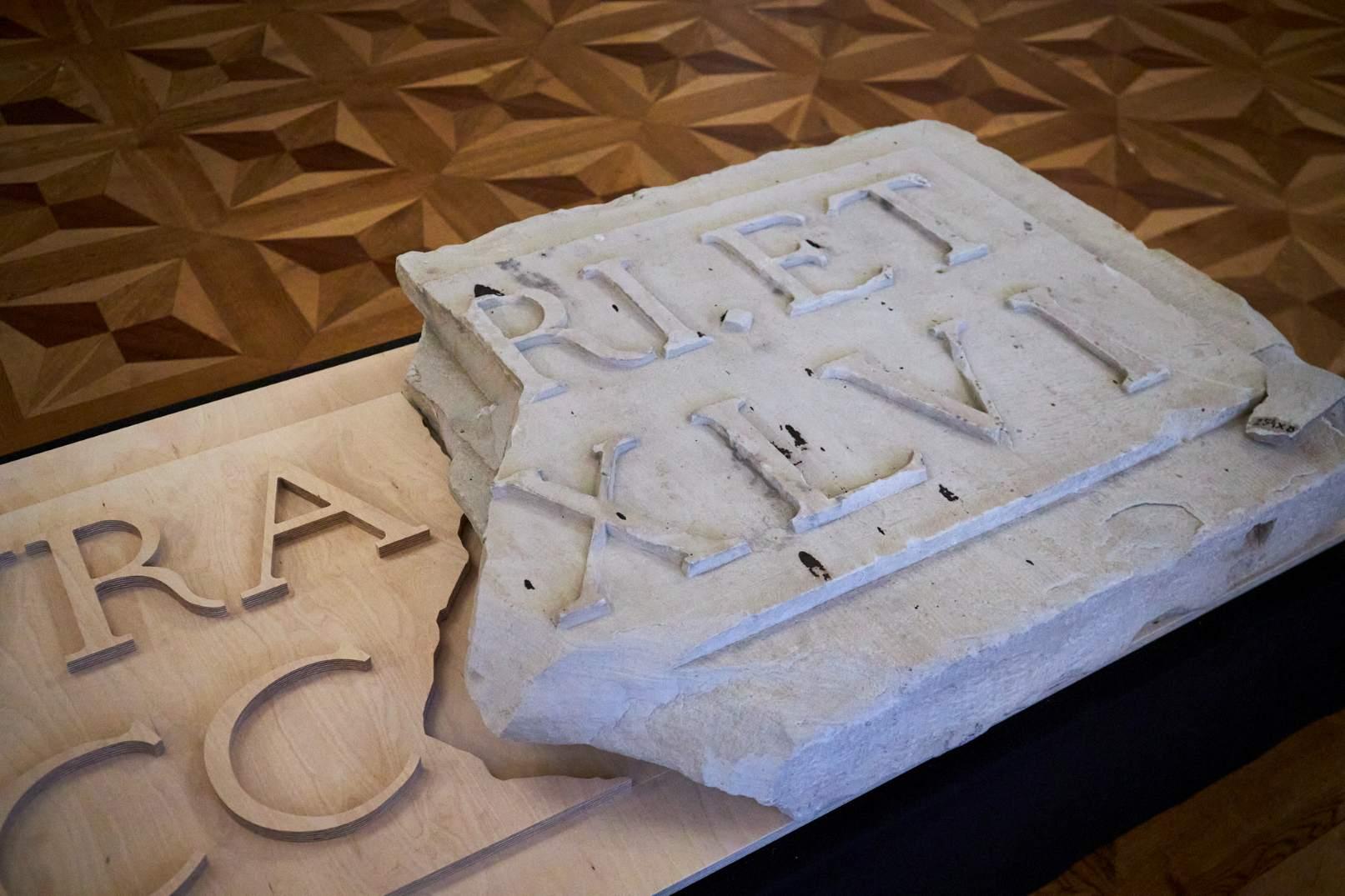
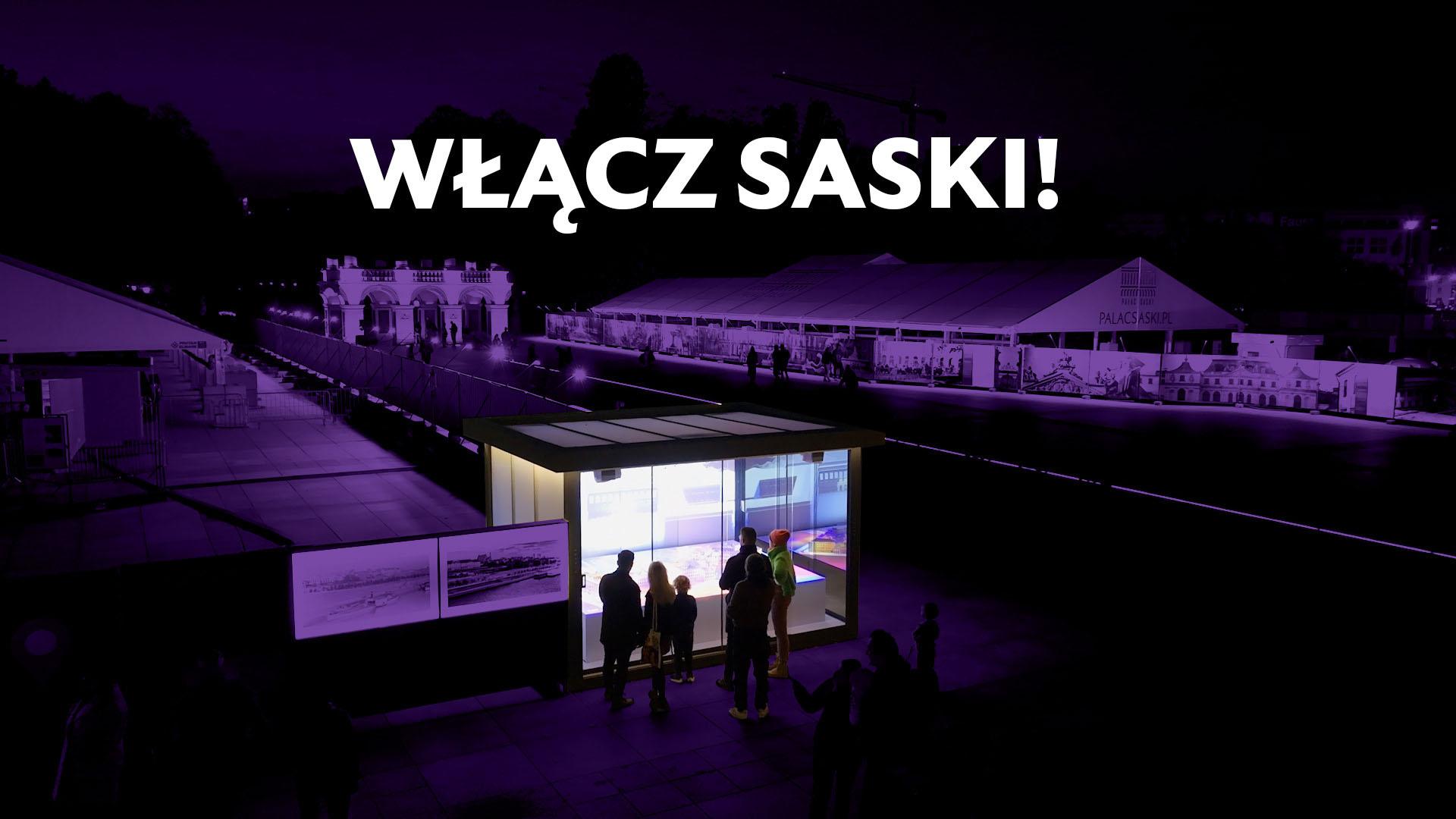
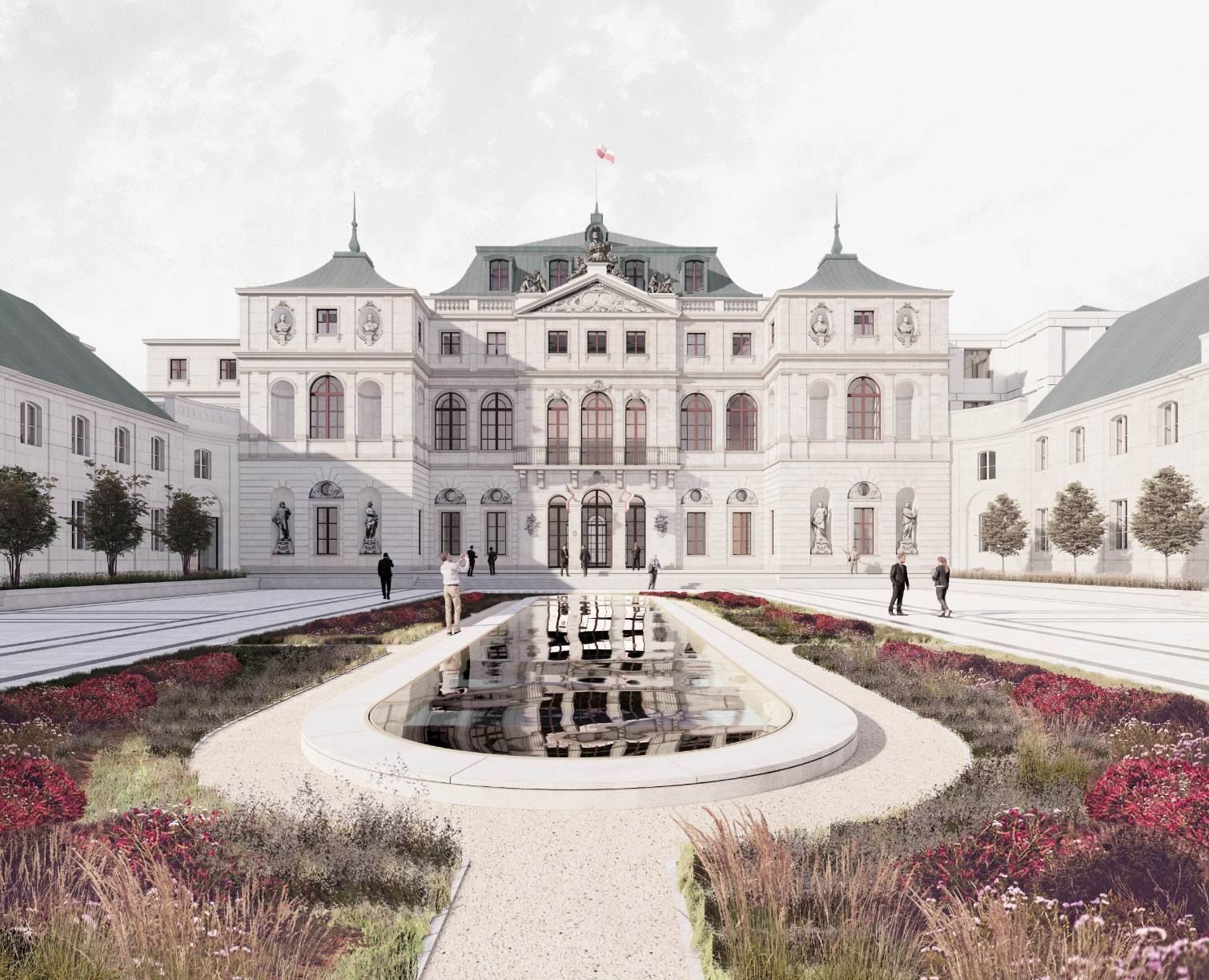
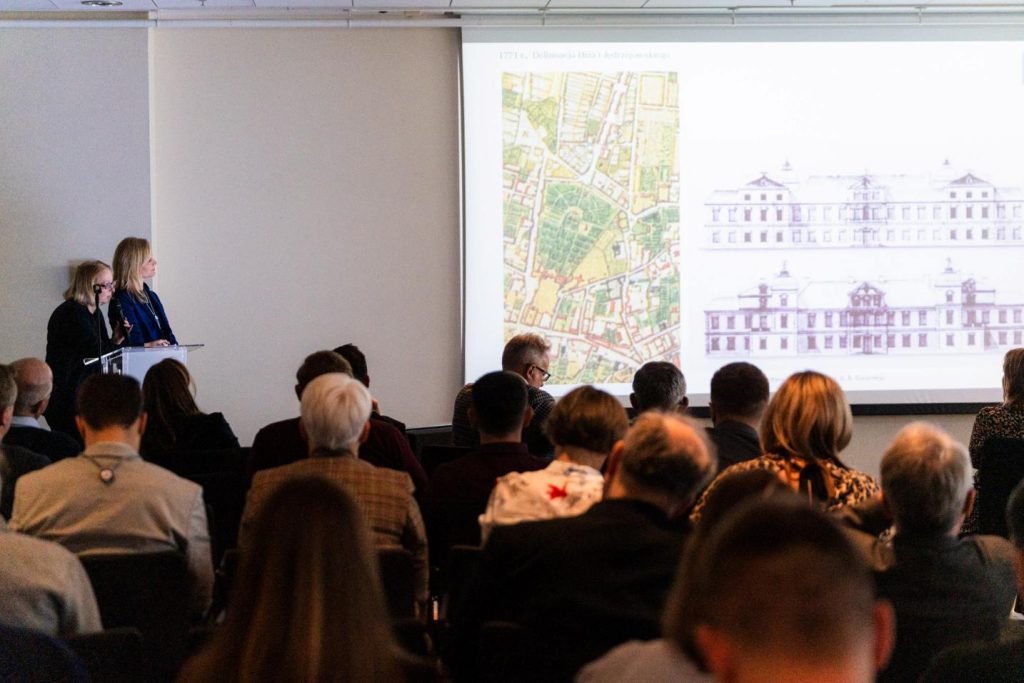
Participants in the forum, who focused on the reconstruction of the western frontage of Marshal Józef Piłsudski Square, began the day with an on-site visit to the area where the project is currently underway. After a close‑up view of the surviving historic walls of the Saski Palace and the Brühl Palace outbuildings, architects from WXCA Group gave participants a behind‑the‑scenes look, presenting the key principles of their proposal for reconstructing the palace‑and‑tenement house complex, which won the international architectural competition (SARP No. 1040). To appreciate the scale of the project, it is worth noting that the winning concept envisages a total floor area of around 80,000 sq m. The first conference panel concluded with a presentation by Anna Maria Wierzbicka, PhD, DSc, and Alicja Szmelter, PhD, DSc, from the Faculty of Architecture at the Warsaw University of Technology. In tracing the history and describing architectural details, the speakers also highlighted the opportunity to restore the Brühl Palace – a true jewel of Polish architecture.
Good Practice Handbook for the reconstruction of the Saski Palace
During the second panel of the conference, participants and speakers focused on the challenges of delivering the reconstruction project, setting them against a catalogue of good practice. This part largely summarised a series of expert workshops organised by the Pałac Saski company last year. During the workshop sessions, which covered thematic areas such as stonemasonry, roof structures and window joinery, industry specialists developed, through discussion, the ‘Good Practice Handbook’ – overarching guidelines for delivering the project. Defining these guidelines addresses a key challenge: reconciling the meticulous recreation of the historic architectural form as it existed on 31 August 1939 with modern building regulations and contemporary public realm design.
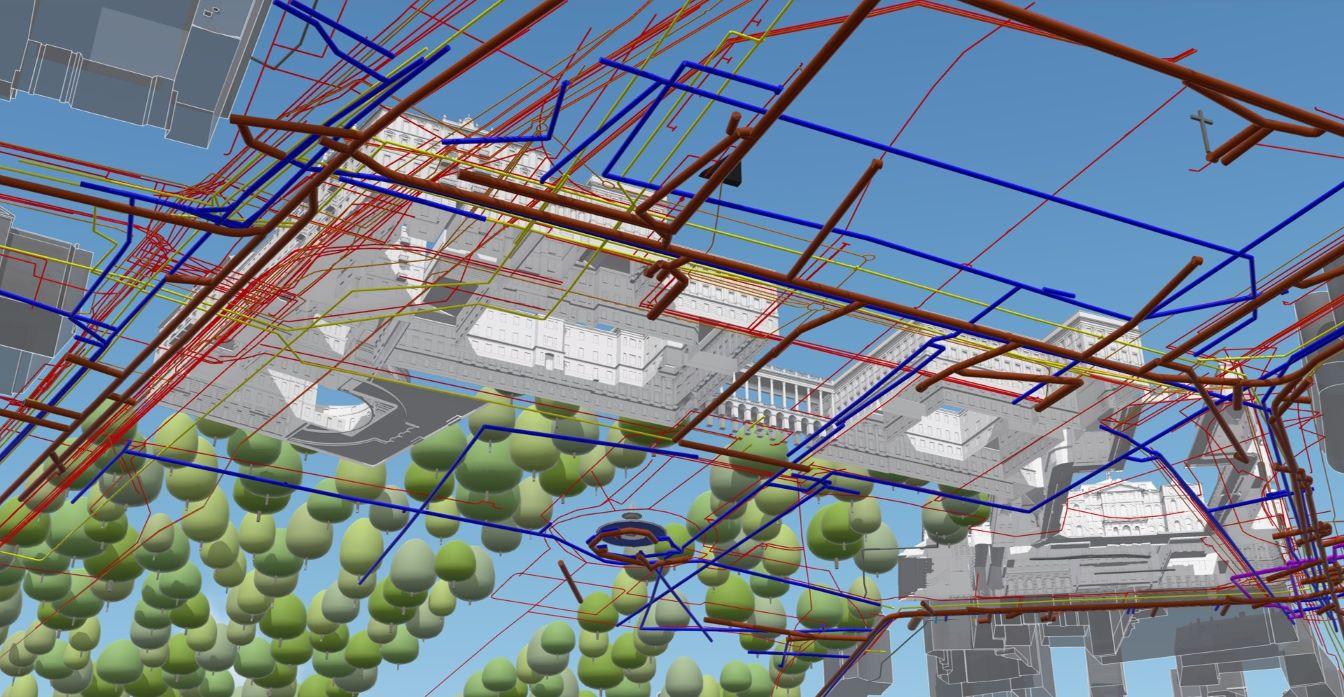
One such contemporary strand is ESG (Environmental, Social and Corporate Governance), which was the focus of the conference’s closing presentation. In construction, this entails delivering buildings with minimal environmental impact while meeting social objectives and technical performance requirements. This, in turn, calls for efficient management of the site – or sites, as in the case of the reconstructed Saski and Brühl Palace complex and the tenement houses at 6, 8 and 10/12 Królewska Street.