Contrast
Size
news

The historic walls of the Saski Palace have gained roofing

The construction of the roofing over the historic basement of the Saski Palace was completed in March 2024. In this way, the remains of the palace walls gained protection from the adverse effects of precipitation over an area of more than 2,100 m2. Two independent metal structures with PVC membrane covering were made by Protan Elmark.

Construction of a roofing over the relics of the Saski Palace

Fragments of the walls, uncovered as part of the preparation for the reconstruction of the Saski Palace, and which, pursuant to the decision of the Masovian Voivodeship Conservator of Monuments of 17 May 2007 are included in the register of monuments, are located on both sides of the Tomb of the Unknown Soldier. In order to protect them from the adverse effects of precipitation, they have been roofed over. The whole process was preceded by arrangements and decisions by, among others, the above-mentioned Conservator, the Ministry of Defence, the Mazovian Voivodeship Office, the Warsaw Public Land Management and the Warsaw Greenery Board.

Two prefabricated metal structures are now standing in the area of the two wings of the palace that do not exist today: the northern wing (facing Wierzbowa Street) and the southern wing (facing Królewska Street). The area of the tent covering over the relics of the first wing is more than 900 m2 (max. length 55.1 m, max. width 20.7 m), and the second wing is 1200 m2 (max. length 54.8 m, max. width 25.2 m).
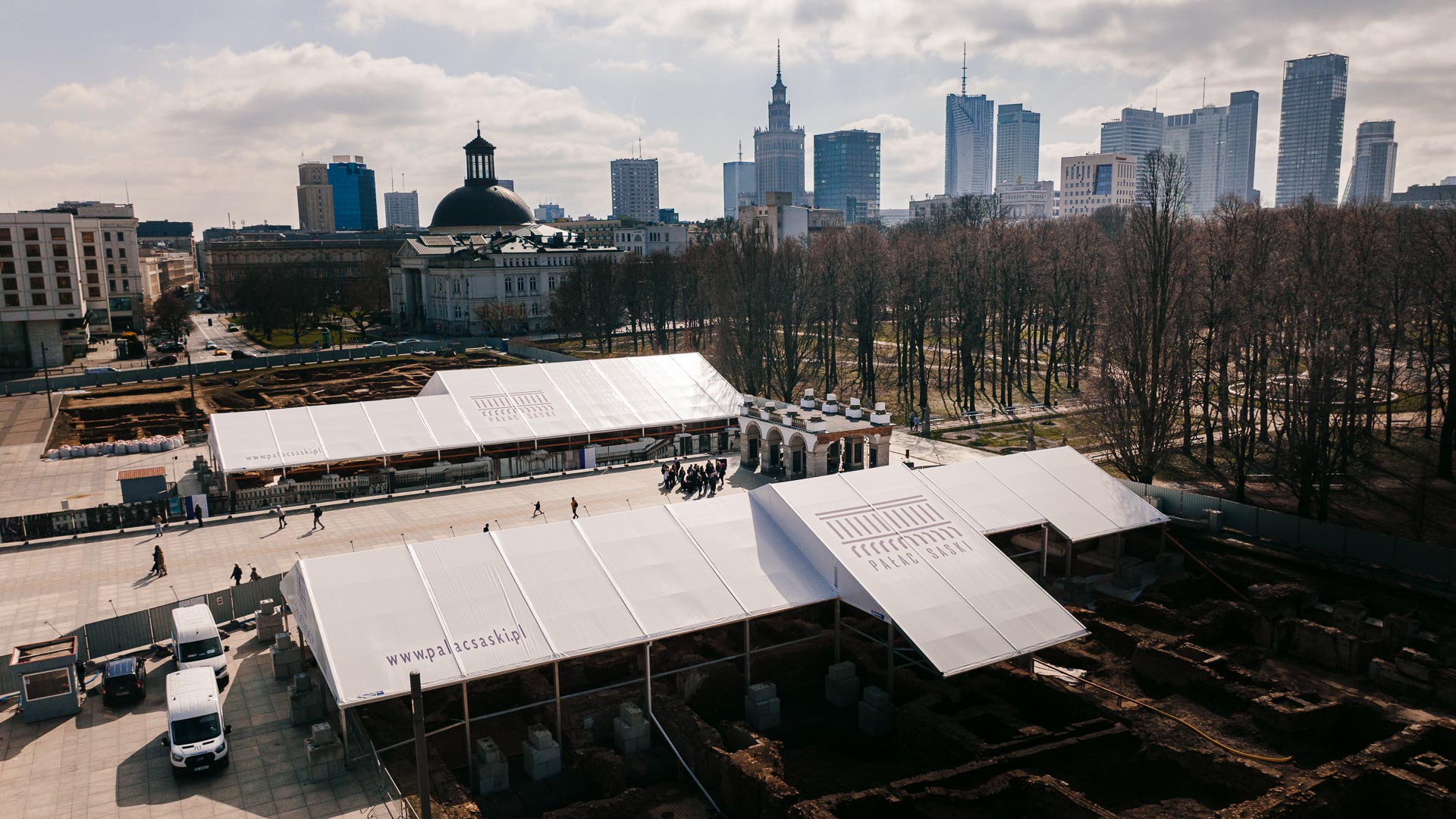
Widok ukośny (od strony ul. Wierzbowej) z lotu ptaka na oświetlone słońcem dwie konstrukcje białego zadaszenia PVC nad reliktami Pałacu Saskiego. Na powierzchni fioletowy napis "www.palacsaski.pl" i logotyp Pałac Saski sp. z o.o. Pomiędzy konstrukcjami Grób Nieznanego Żołnierza, a przed nim grupa ludzi. Po prawej stronie drzewa Ogrodu Saskiego, w tle panorama Warszawy z Pałacem Kultury i Nauki oraz wieżowcami.
A bird’s eye view of the roof over the historic basements of the Saski Palace, 2024. Photo by M. Sawiński

Both structures have a lightning protection system. They are covered with a non-combustible PVC-coated polyester material, laid on aluminium transoms inclined at 22 degrees. The roof slope is 40%, thus preventing excessive snow accumulation during the winter period. The roofing is at a height of 2.2 m so that there is free access to the basement, e.g. to carry out further work related to maintenance. A different height, adapted to the surroundings, was envisaged only where the structures could interfere with the treetops of the Saxon Garden in the immediate vicinity of the project.
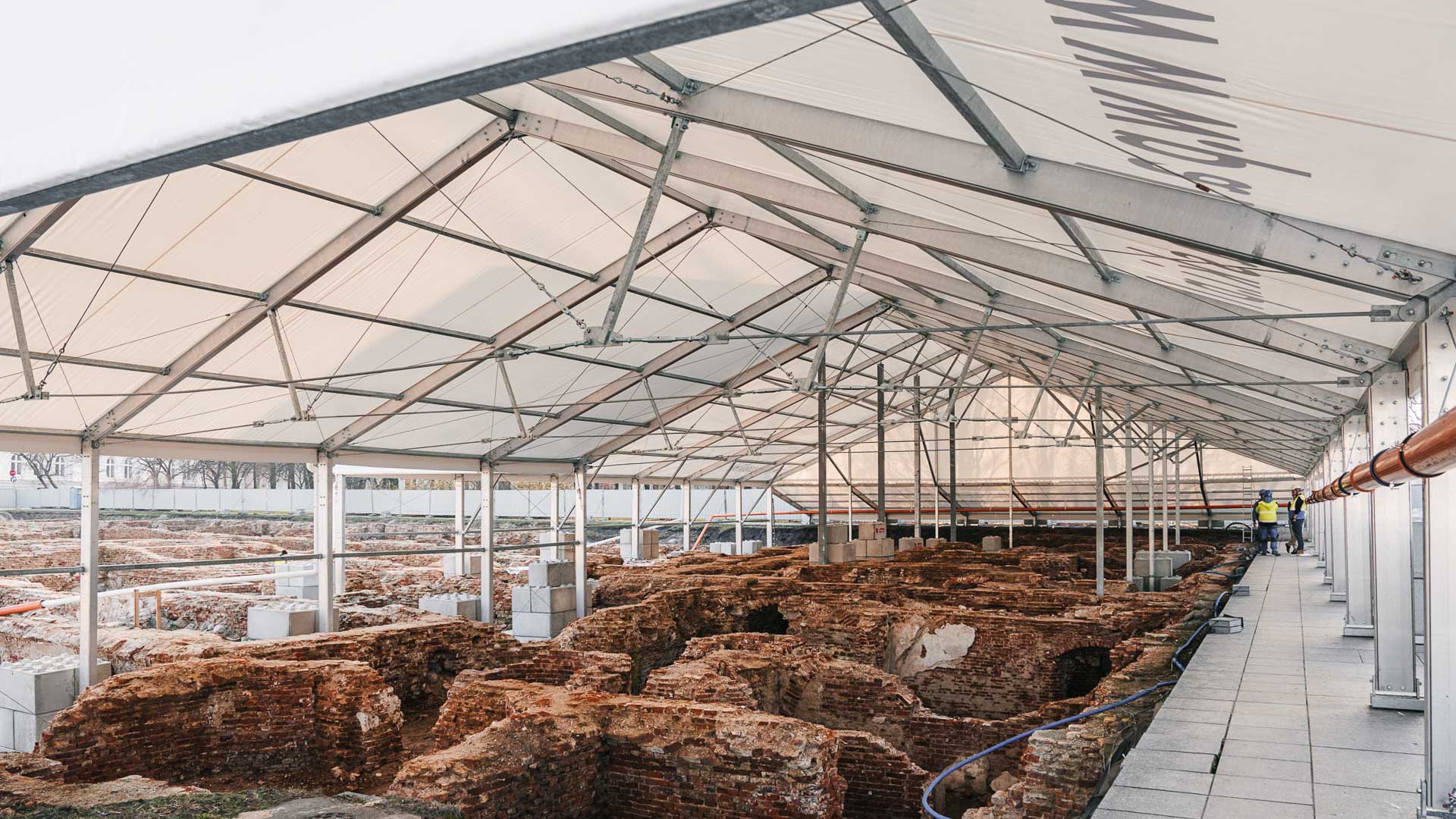
Pozostałości murów Pałacu Saskiego, nad którymi wznosi się metalowa konstrukcja zadaszenia w białym pokryciem PVC. Po prawej stronie w oddali trzy osoby w odblaskowych, żółtych kamizelkach.
The historic basements of the Saski Palace under roofing, 2024. Photo by T. Tołłoczko

Investment in the heart of Warsaw

As a result of the implementation of the Act of 11 August 2021 (Journal of Laws, item 1551) on the reconstruction of the Saski and Brühl Palaces and three townhouses on Królewska Street, the immediate surroundings of Warsaw’s Piłsudski Square are constantly changing their appearance. Within the project area, the archaeologists uncover subsequent fragments of historical buildings destroyed by the Germans during World War II, including the planned destruction of Warsaw in 1944. The ruined foundations and the artifacts found among them are then the subject of cataloguing and conservation analyses. The resulting studies are not only of inestimable historical value as a testimony to times gone by. Above all, the data allows us to reproduce every architectural detail as faithfully as possible. The ongoing detailed study of the stonework fragments found in 2023 on the site of the Brühl Palace will make it possible to confirm the results of the architectural analysis (which includes, for example, a list of the building materials and techniques used in the palaces and townhouses), which had already been compiled, but based solely on archival material.
news

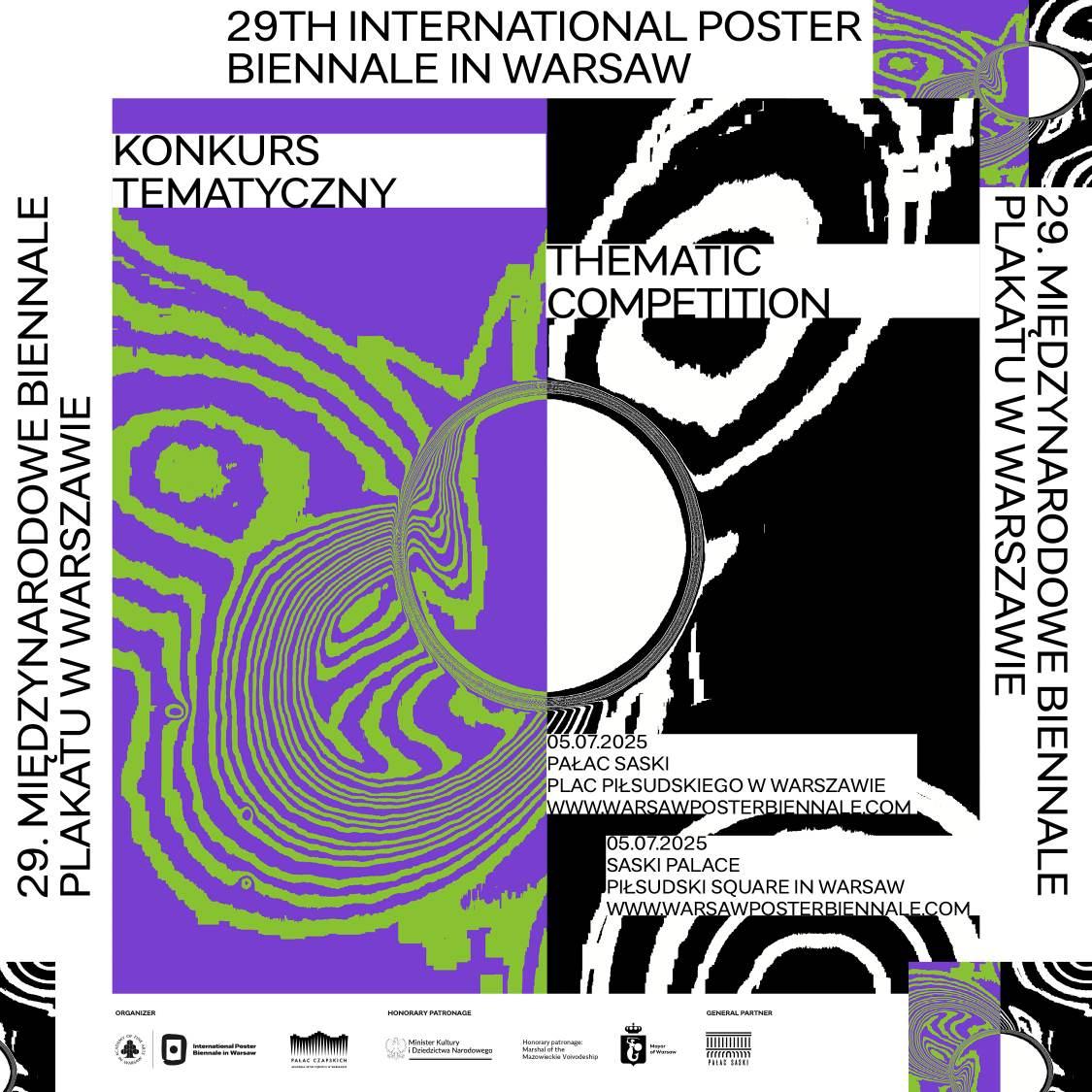
29th International Poster Biennale – Exhibition on Piłsudski Square

For the second time, the fencing around the reconstruction site for the Saxon and Brühl Palaces, as well as the tenement houses on Królewska Street, will serve as an outdoor poster gallery. The open‑air exhibition ‘Quo Vadis’, featuring selected works by artists taking part in the 29th International Poster Biennale in Warsaw, will be on […]

298th anniversary of the Saxon Garden

The last day of May saw the largest Saxon Garden Festival to date. Nearly 80,000 Warsaw residents and visitors took part in the fourth edition of the all‑day retro event, whose 2025 programme was expanded with contributions from new partners. As a result, alongside musicians, interwar‑period re‑enactors, enthusiasts of penny‑farthings and automobiles, and virtual‑reality specialists, […]

Historic fragment of the Royal Castle discovered at the Brühl Palace site

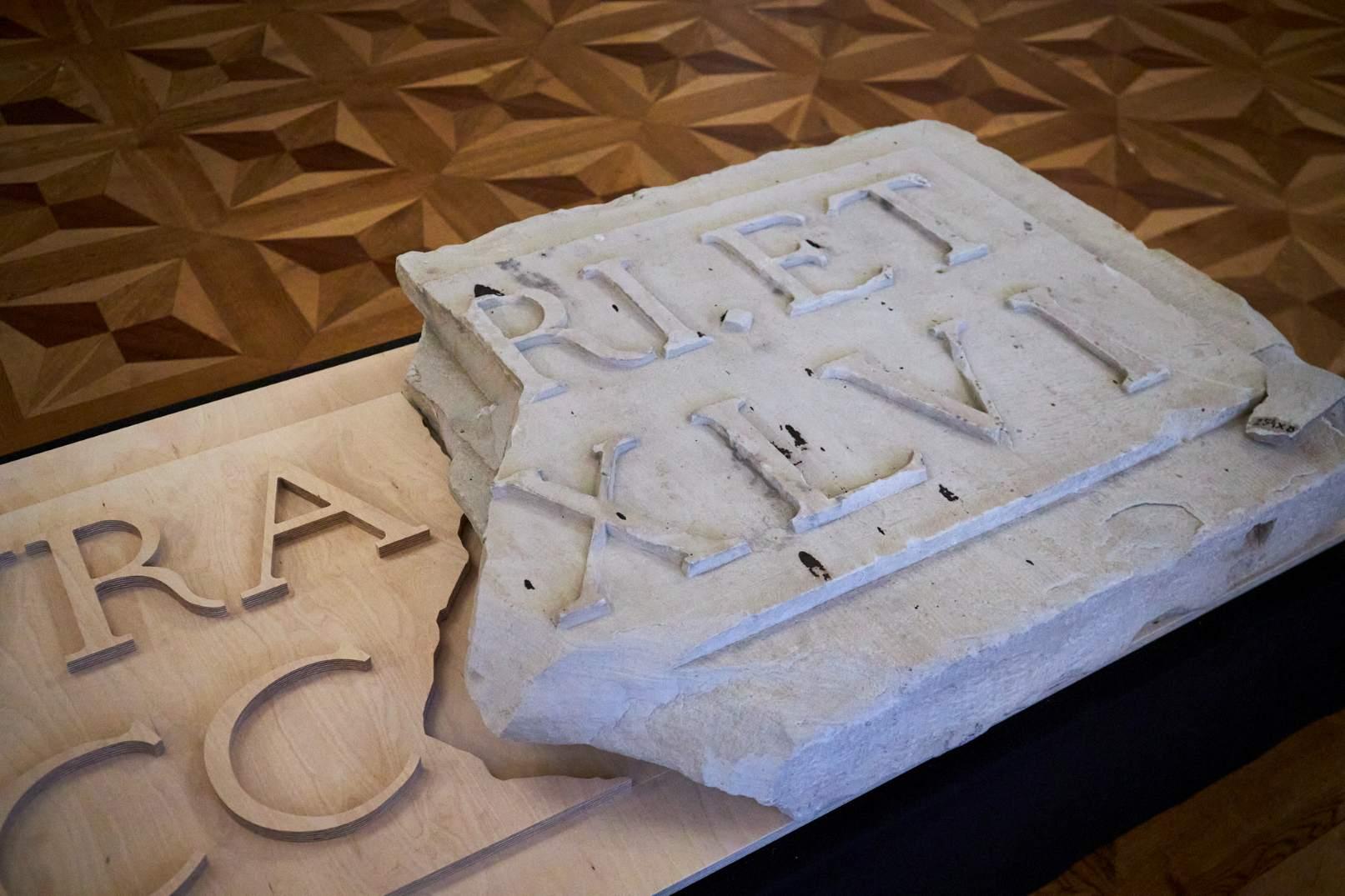
On 31 March 2025, at the initiative of the Pałac Saski company, a fragment of a stone plaque that once adorned the Royal Castle’s eastern façade was formally presented to the Royal Castle at a ceremony in the Knights’ Hall. The inscribed sandstone slab, discovered during the first season of archaeological excavations conducted by the […]

Reconstruction of the Saski Palace: 2024 summary

The latest stages of preparatory works for the reconstruction of the Saski and Brühl Palace complex, as well as the three tenement houses on Królewska Street in Warsaw, are nearing completion. In 2024, works carried out on the site at Marshal J. Piłsudski Square focused primarily on safeguarding the historic fabric represented by the remains […]
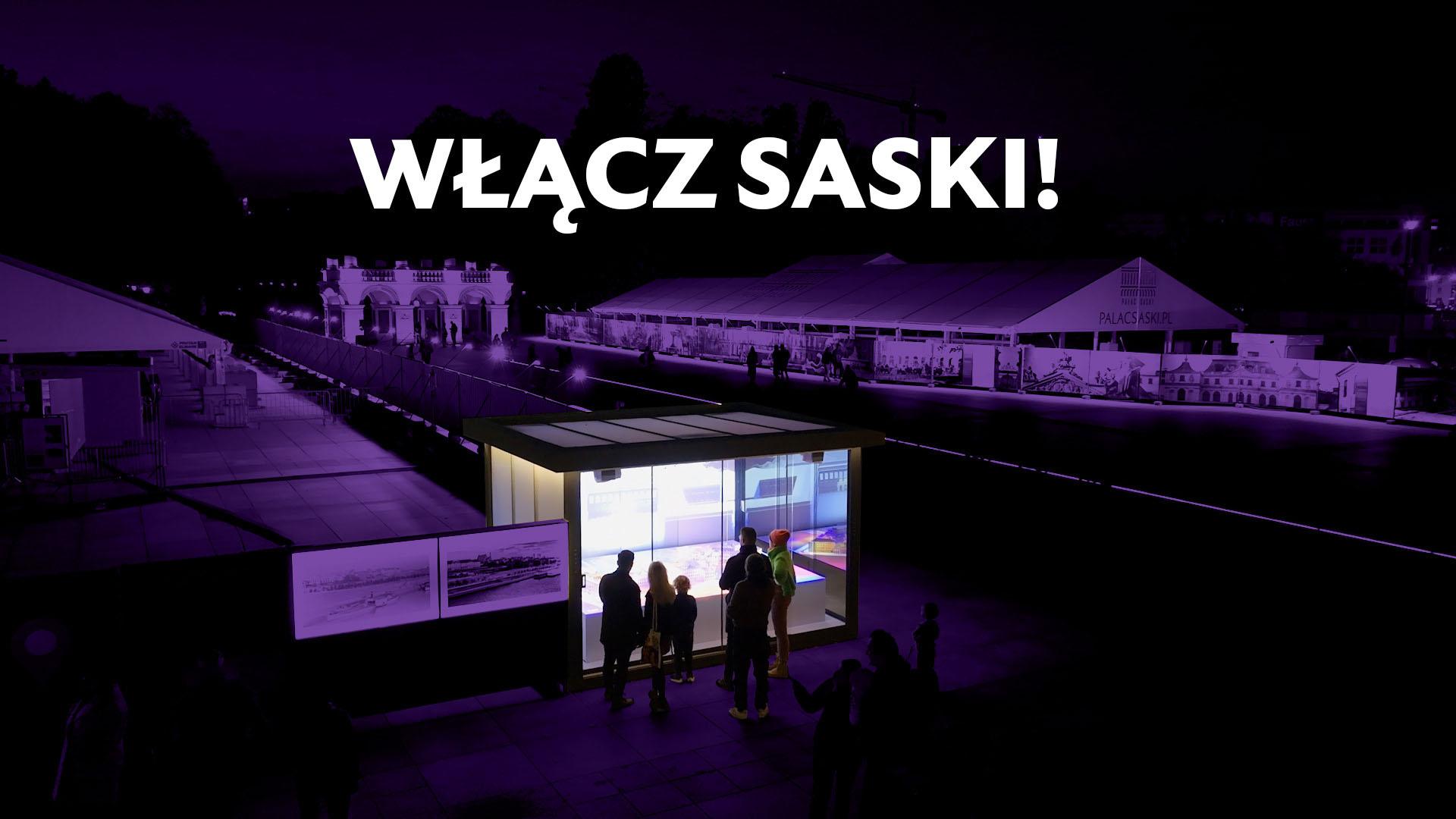
Na obrazku widoczny jest plac Piłsudskiego w kolorze fioletowym. Na środku obrazka widoczny jest przeszklony pawilon w kolorze. Wokół pawilonu, w którym widać multimedialną prezentację, stoi grupa widzów.

Switch on the Saski Palace! A multimedia show in Piłsudski Square

A 3D model of the reconstructed Saski (also Saxon) and Brühl Palaces, along with the townhouses on Królewska Street, which has been attracting the attention of passersby in Piłsudski Square, Warsaw, since May 2024, has been given a new splash of colour. Now, inside the glass pavilion, visitors to the city centre can watch a […]
Na ciemnym

3D scanning of façade elements of the Saski and Brühl Palaces

Three-dimensional scanning of preserved elements from the former façades of the Saski Palace (also Saxon Palace), the Brühl Palace and the Beck Pavilion is one way the latest technology is being utilised in the reconstruction of the western frontage of Piłsudski Square in Warsaw. The process captures the geometry of façade elements from historic buildings […]

A short report from the Saxon Garden Festival

The Saxon Garden Festival is a unique outdoor event in Poland’s oldest public park. On 25 May 2024, the garden alleys and the neighbouring Piłsudski Square hosted tens of thousands of people for the third time, who for one day had the opportunity to travel back in time to the inter-war period. Parades of vintage […]

Geodetic monitoring of the Tomb of the Unknown Soldier

Not all of the reconstruction works on the western frontage of Piłsudski Square are as spectacular as the construction of a roofing over the relics of the Saski Palace listed in the register of monuments. Such activities, which are necessary during the preparation of the investment, although not noticeable to most outsiders, include geodetic monitoring […]