3D scanning of façade elements of the Saski and Brühl Palaces
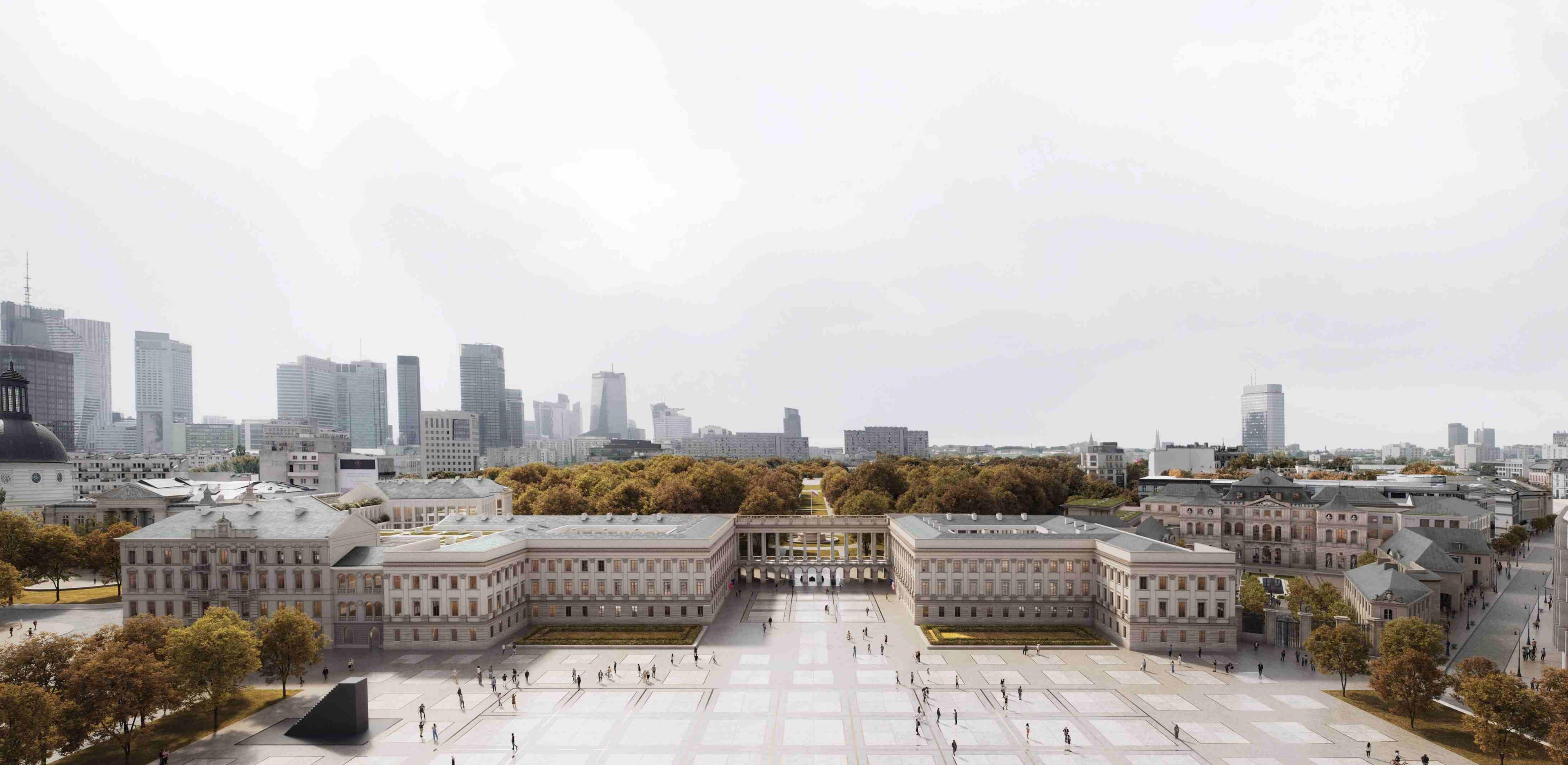
Three-dimensional scanning of preserved elements from the former façades of the Saski Palace (also Saxon Palace), the Brühl Palace and the Beck Pavilion is one way the latest technology is being utilised in the reconstruction of the western frontage of Piłsudski Square in Warsaw. The process captures the geometry of façade elements from historic buildings being reconstructed with precision, which is crucial to the architectural and design work. As a result, scanning will help recreate the exterior form of the complex of palaces and townhouses as faithfully as possible.
Remains of the Saski Palace in the Museum of Warsaw’s collections
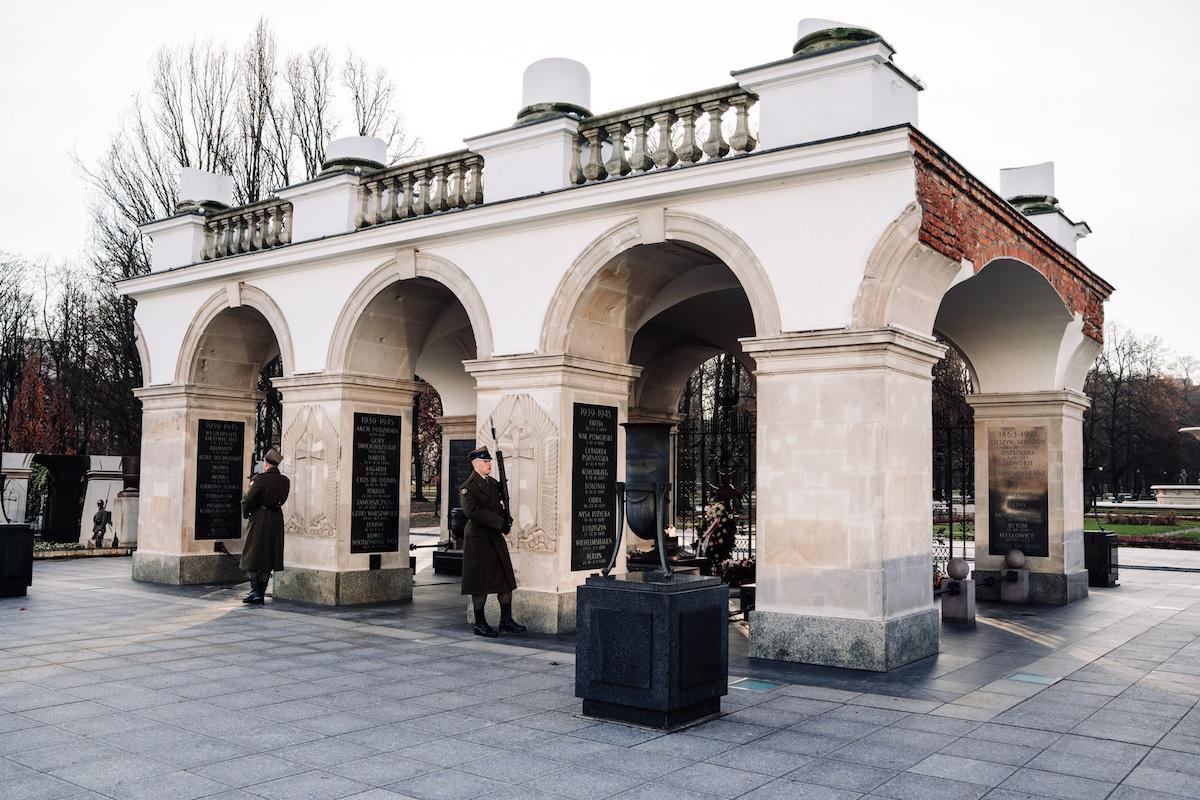
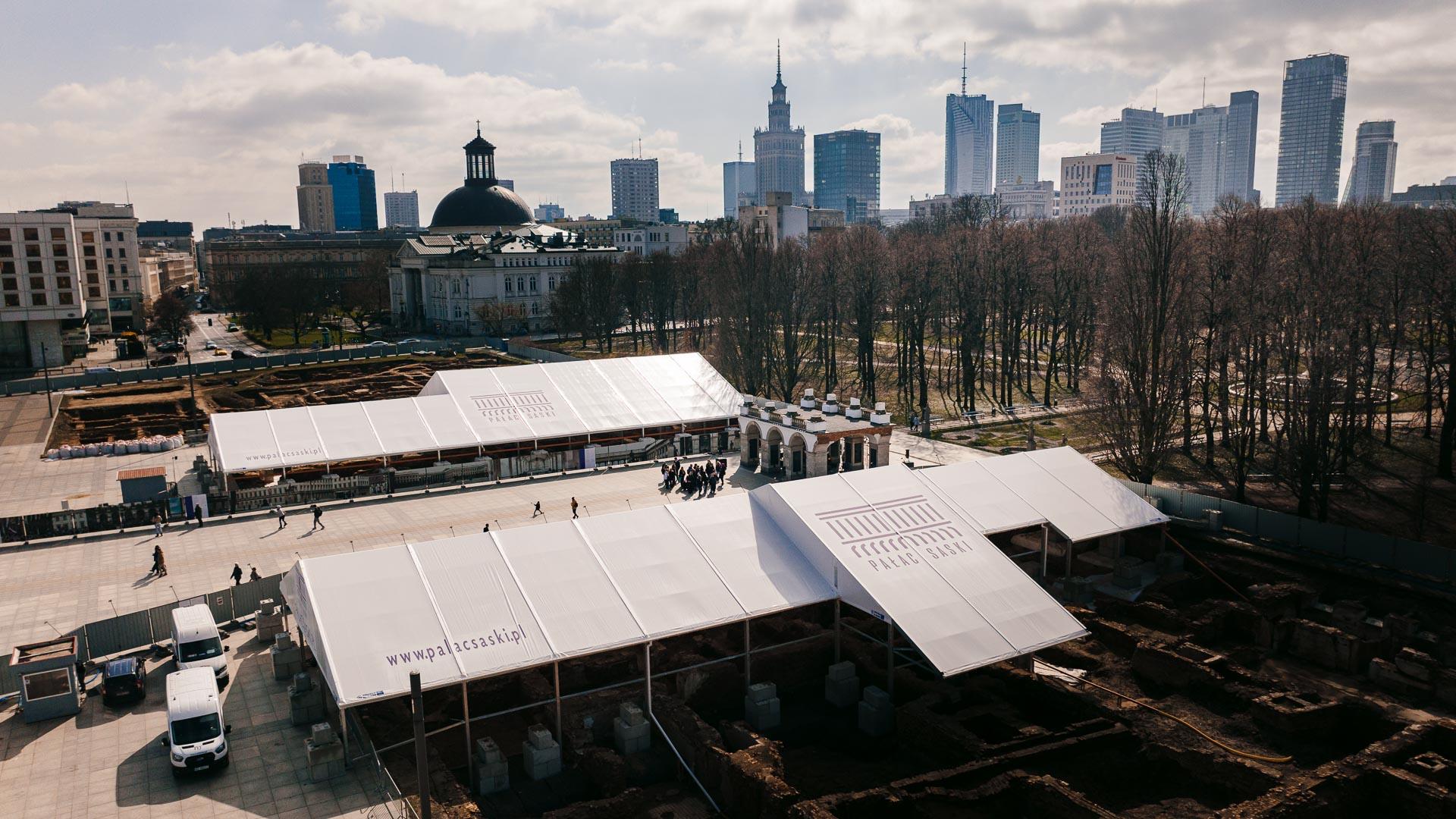
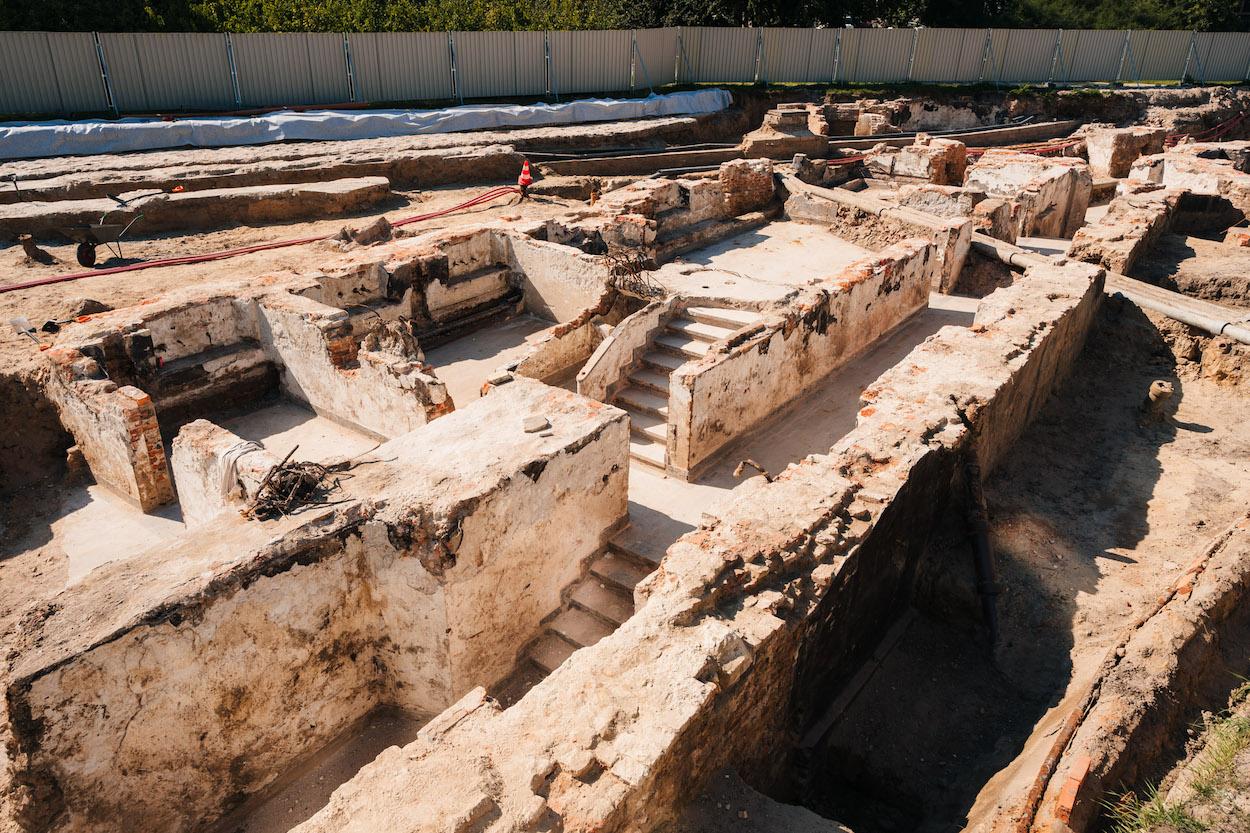
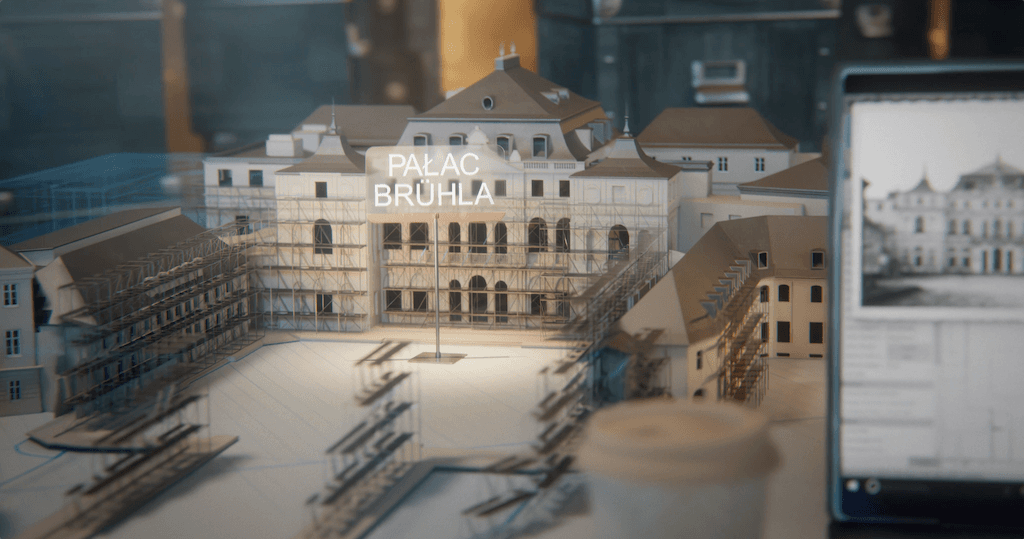
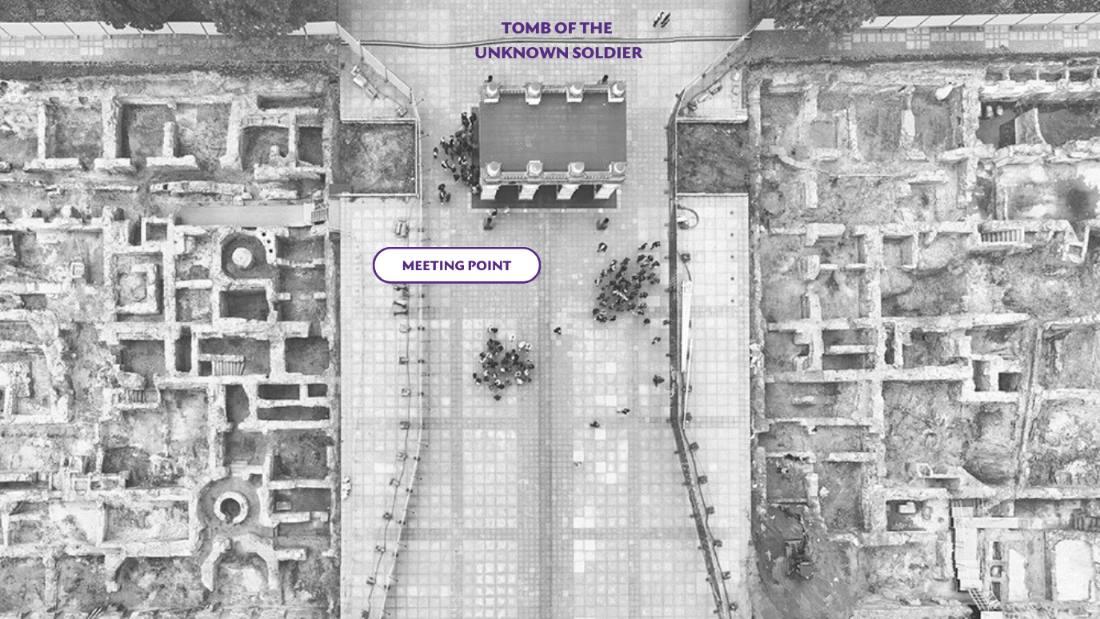
The Saski and Brühl Palaces, now being reconstructed, were reduced to rubble in December 1944. For decades afterwards, the only visible remnant in Piłsudski Square was the Tomb of the Unknown Soldier, preserved as a permanent ruin, with a fragment of the central arcades of the Saski Palace colonnade. Numerous remnants of the demolished buildings lay – and, as archaeological research shows, still lie – just below the surface. Archaeologists first carried out excavations at the site in 2006 and 2008. As a result, many artefacts, including fragments of the palace façades, were catalogued, studied and subsequently added to the Museum of Warsaw’s collections. These collections are invaluable to the architects, who will soon be able to use 3D models of the measured elements in their design work. These models are being produced as part of a wider project; the current phase aims to create 3D documentation for nearly 150 architectural elements, drawing both on items made available through collaboration with the Museum of Warsaw and on pieces recovered during archaeological work at the Brühl Palace site in 2023.
What is being scanned?
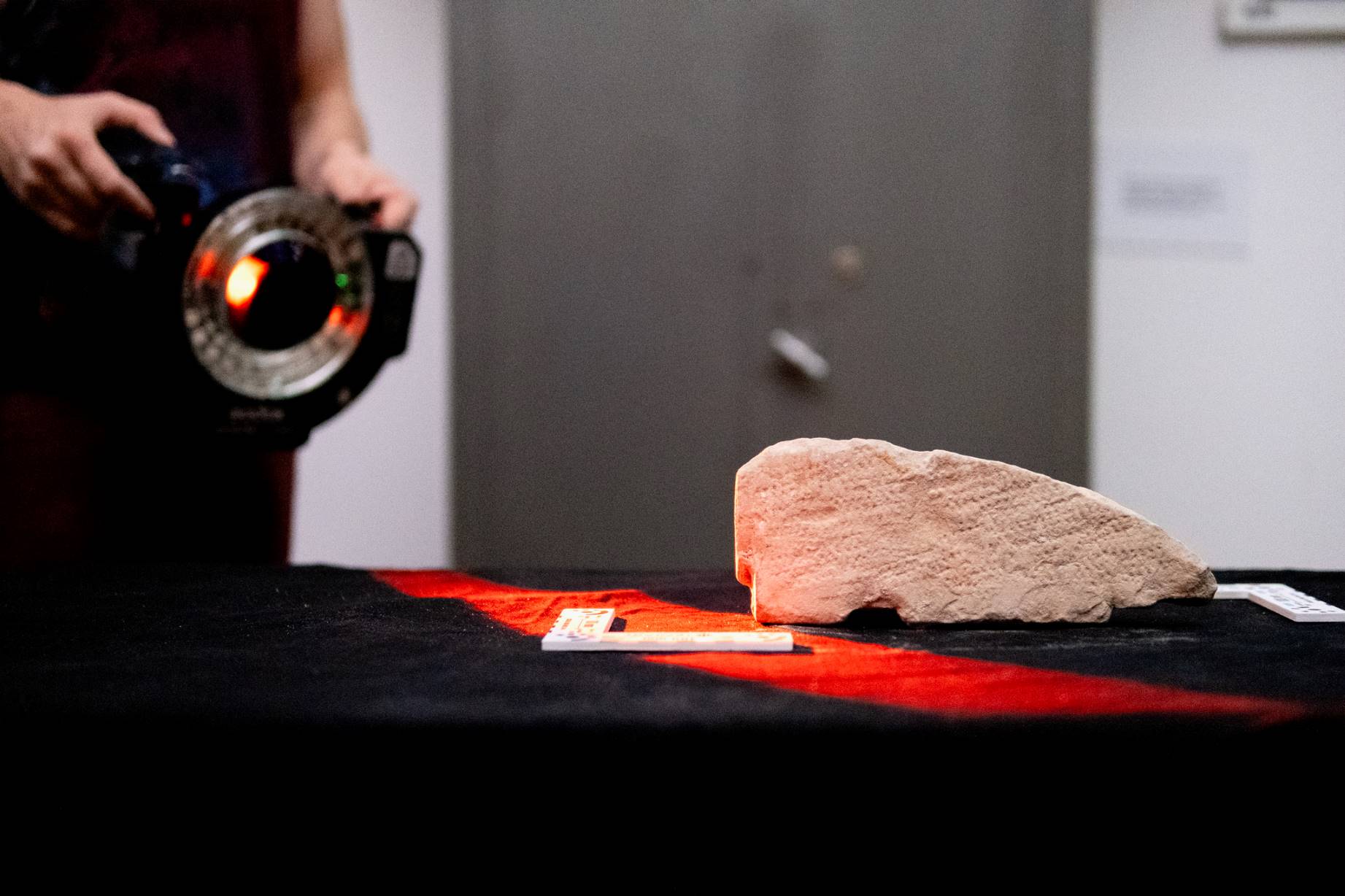
The items being scanned in three dimensions are primarily fragments made of sandstone, as well as granite and basalt, along with preserved sections of brickwork featuring cladding or plaster finishes. One such element is rustication – parallel grooves or banding on a building’s façade, typically found at ground-floor level, sometimes at the corners of buildings, and also around windows and doors. High‑resolution 3D documentation, produced using photogrammetry, will also be created for other architectural details characteristic of grand public buildings. These include cornices, balustrades, balusters, decorative plasterwork, and ornament at the upper corners of window and door frames – so‑called ‘eared’ frames (shouldered architraves).
Eye to eye with a Roman god
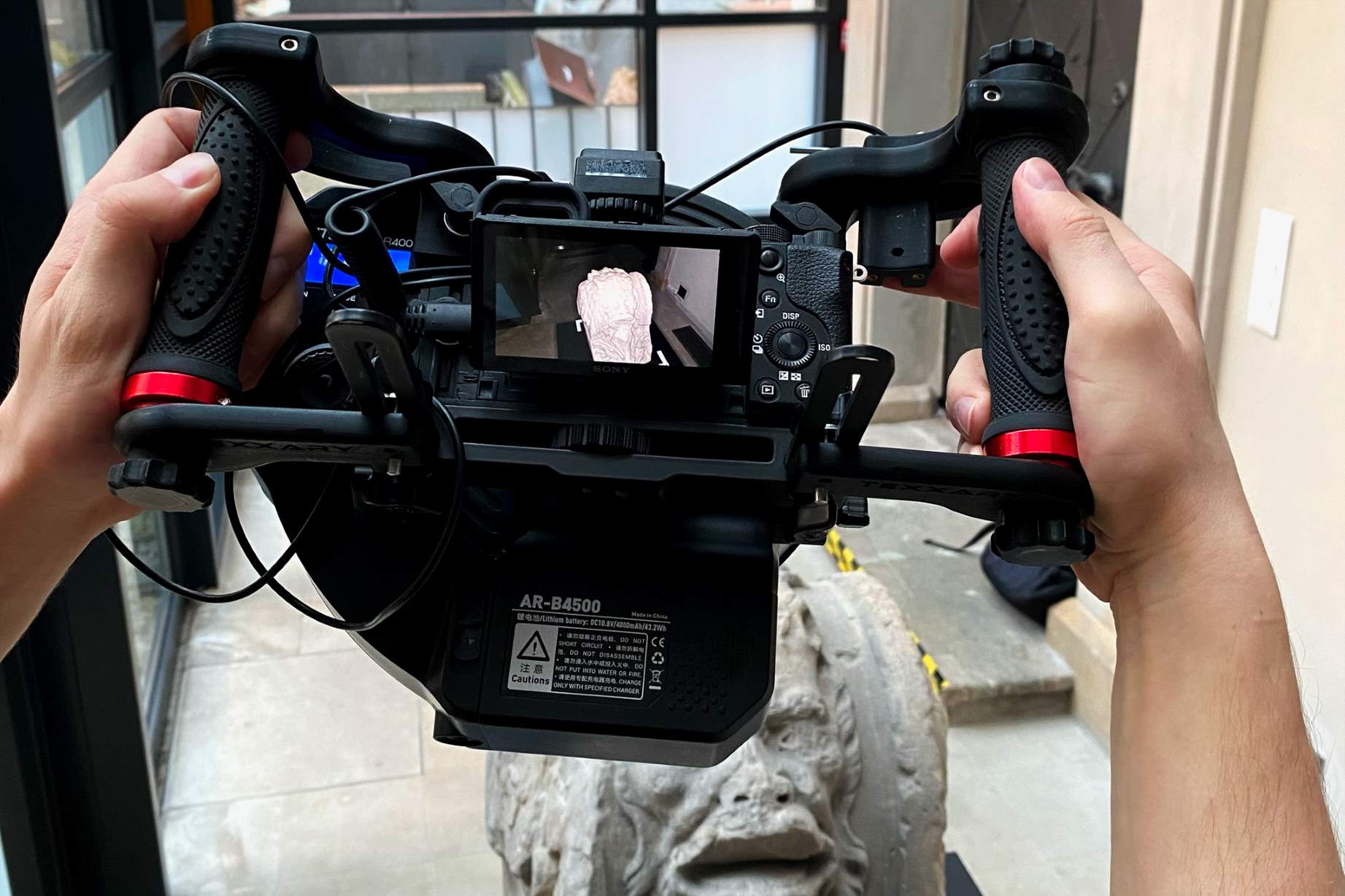
Some objects require the person carrying out the 3D scanning to come face-to-face with them. This is true of a balcony console bracket, preserved in fairly good condition, carved in the form of the face of Faunus. The menacing visage of one of Rome’s oldest gods still commands attention, despite numerous minor losses to its form. Faunus was the god of the wild and fertility, and the protector of shepherds and their flocks. At the Brühl Palace, however, he more often kept company with more refined visitors – those to the Ministry of Foreign Affairs, which operated there – greeting them from his perch as a balcony support just above the main entrance to the building.
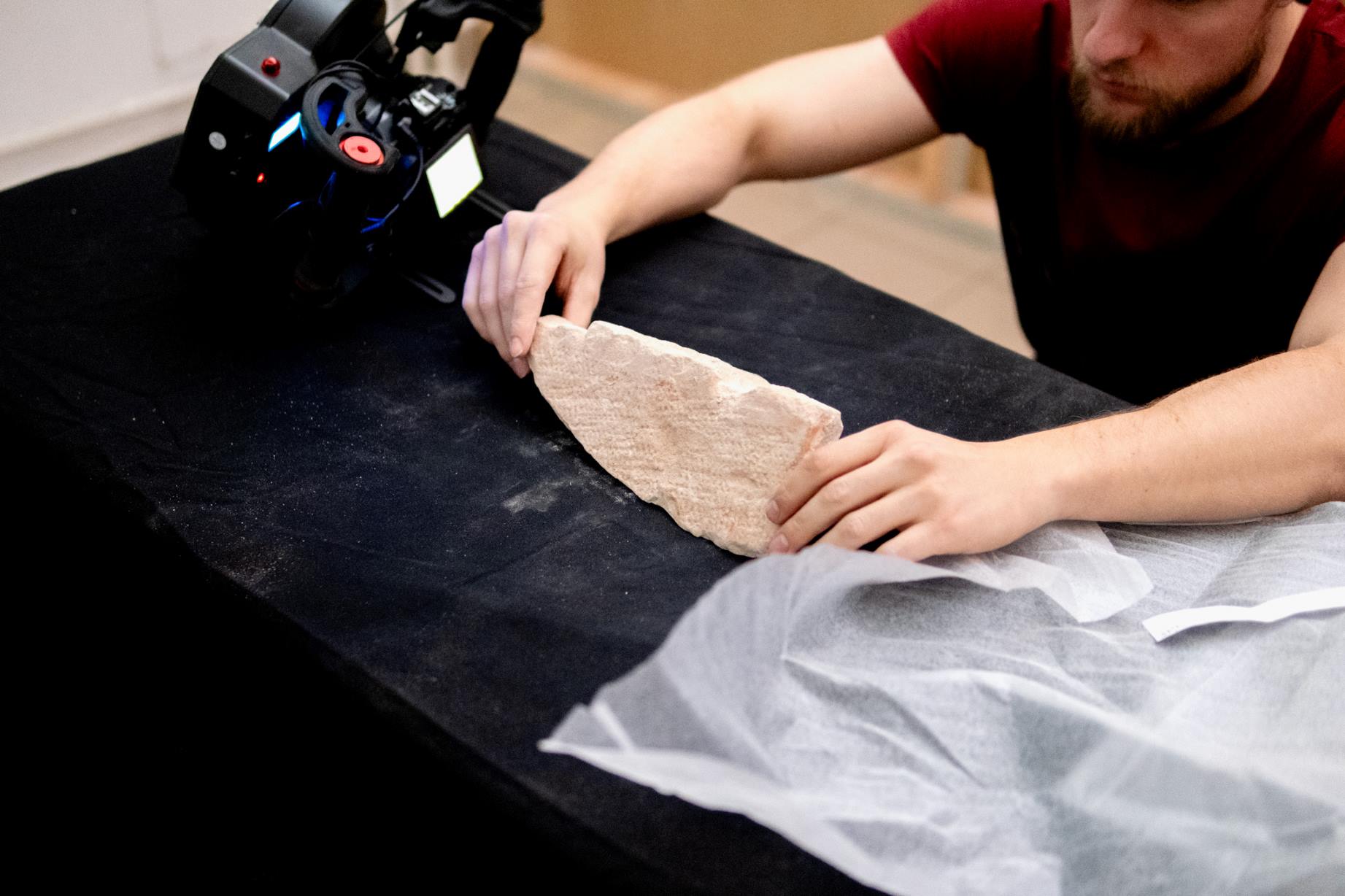
3D scanning: step by step
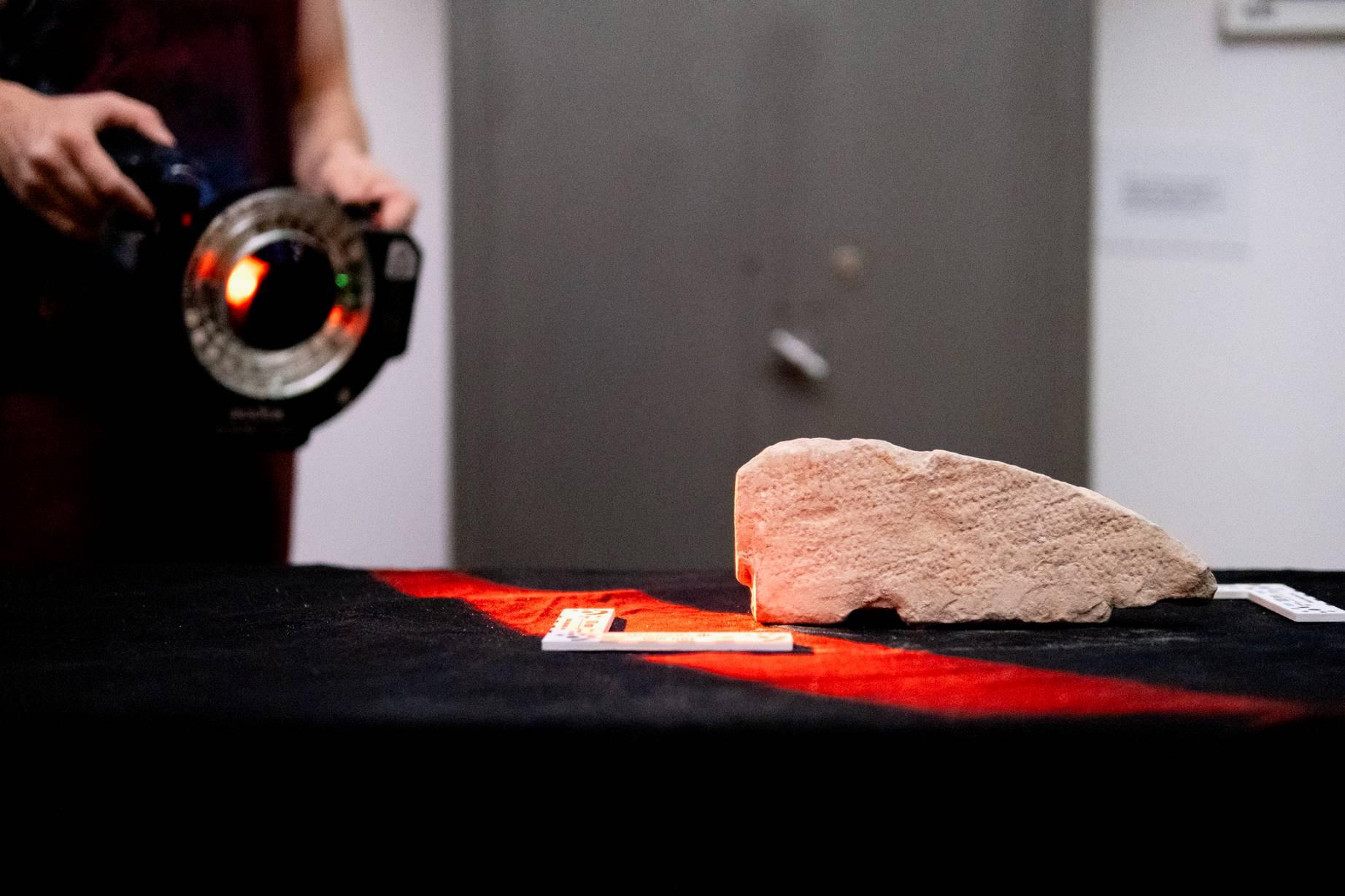
Although the process of 3D scanning primarily involves the use of new technologies based on advanced optics and digital processing, it also calls for traditional methods and tools. This is because some stone elements must first be cleaned mechanically to remove dust and other loose surface deposits that would distort the geometry of the historic surface being recorded. Once conservators have prepared the object, it must be placed in a suitable environment. What should that environment look like, and how is it prepared? First, the location where photographs are taken for the photogrammetric process should have daylight kept to a minimum. Unlike in conventional photography, daylight makes it harder to maintain consistent contrast. The scanner has its own light source, and direct sunlight would overpower it. In addition to dimming, adequate space is important – at least one metre of clearance should be maintained around the subject so that the scanner operator has unrestricted access from all sides.
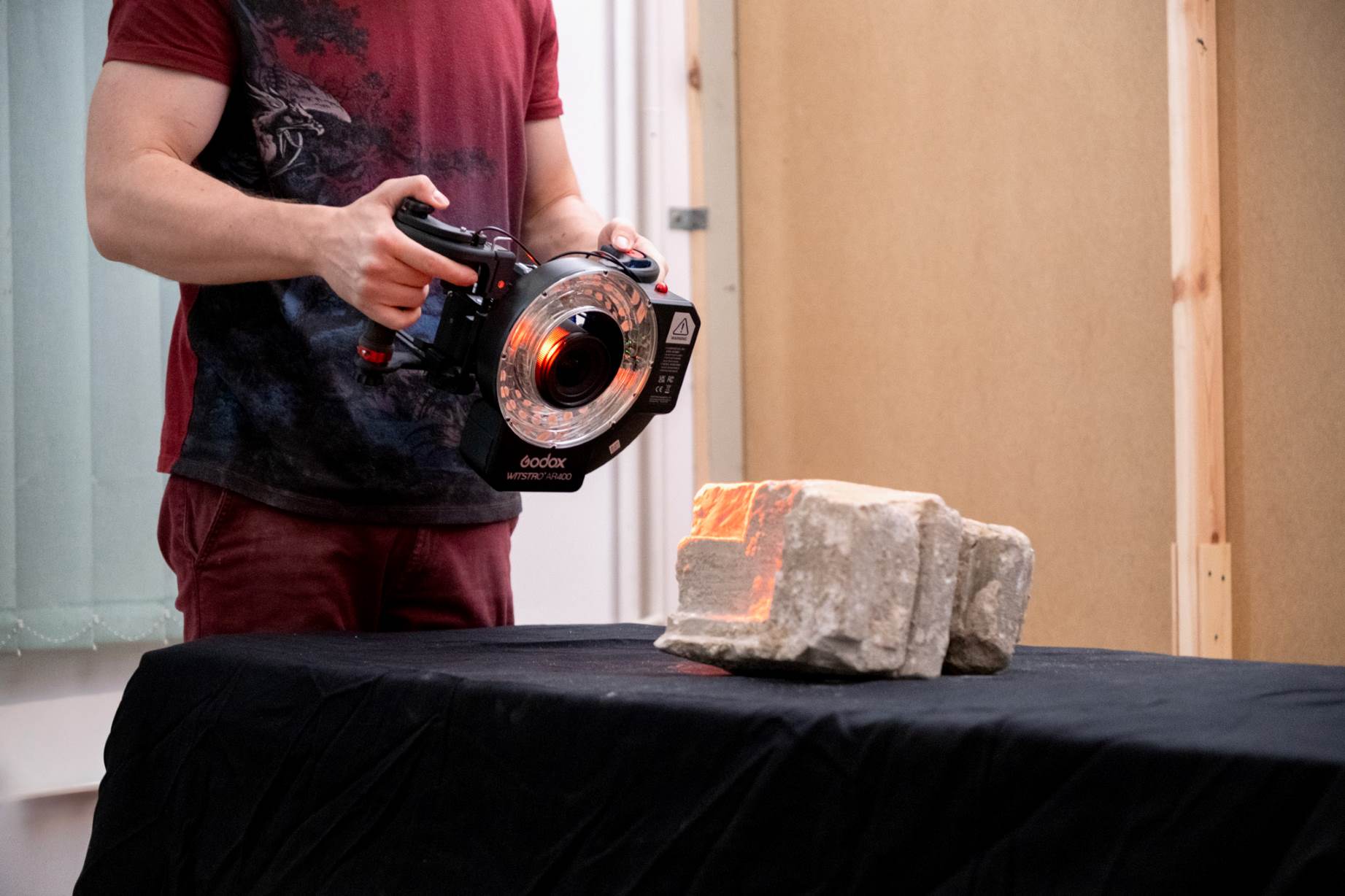
Finally, once prepared and positioned, the objects are placed in front of the scanner’s lens. Scanning the preserved stone elements from the former façades of the Saski Palace, the Brühl Palace, and the Beck Pavilion will produce, among other outputs, a high-resolution geometric model captured as both a point cloud and a triangulated mesh. These are geometric representations of the scanned objects. Additionally, for the architectural and design work involved in reconstructing the palace and townhouse complex in Piłsudski Square, orthographic projections of individual elements, along with their dimensions, will be prepared. These projections will be accompanied by processed 3D models featuring photorealistic textures for online publication. For the aforementioned fragment depicting the head of Faunus, this digital twin will be an invaluable resource for the restoration of sculptural decorations via stone replicas.
The 3D documentation is being carried out by Heritage Imaging, a spin‑out from Warsaw University of Technology.